IETA MARKET
30-Day Onboarding Plan for a New Riding Horse in India

The arrival of a new riding horse is an exciting milestone for any Indian stable, especially for smaller operations where resources are tight and seasonal conditions can complicate routine care. A structured 30-day onboarding plan helps ensure the horse settles in healthily, transitions to the new feeding plan without digestive upset, progresses through foundational training, and becomes a confident member of the stable routine. This guide focuses on practical steps tailored to Indian conditions, with emphasis on health monitoring, gradual feeding changes, progressive training milestones, and thoughtful stable integration.
A practical framework for small stables
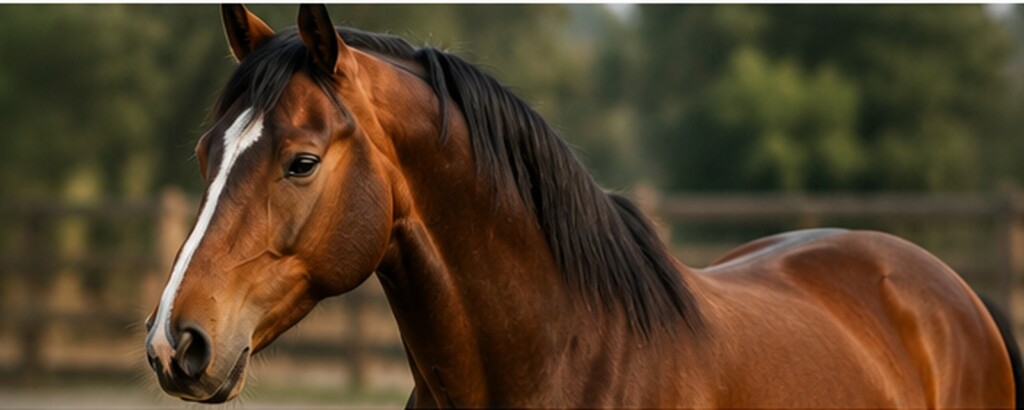
In a compact stable, clarity, consistency, and documentation are your most trusted tools. The plan below divides the first month into four progressive phases, each with clear objectives, daily tasks, and weekly check-ins. Adapt the timelines to your horse’s response and local climate—monsoon humidity, heat, and dust can influence how quickly a horse acclimates.
Week 1: Health baseline and handling (Days 1–7)
- Arrange a veterinary wellness check to establish a baseline. Share existing health records, vaccination status, deworming history, and any prior medical concerns. Use this visit to discuss a practical deworming and vaccination plan aligned with local needs.
- Conduct a thorough hands-on assessment: heart and respiratory rate at rest, observation of appetite and water intake, body condition score, and any signs of discomfort or lameness. Note any stiffness, gait issues, or irregularities in movement.
- Inspect hooves and shoes, mouth and teeth (if not already evaluated). Address any urgent issues with your farrier or veterinarian before heavy work begins.
- Begin gentle handling routines: grooming, desensitization to tack and equipment, and loading/unloading from a ramp or trailer in a calm, controlled way. Consistency here builds safety for riders and handlers.
- Establish a simple daily observation log. Record appetite, manure quality, urine, demeanor, and response to handling. If you can, add a basic heart-rate and breathing-rate check after a short walk to establish a routine baseline.
- Confirm the feeding baseline with the owner or prior keeper, including forage type, concentrate, and any supplements. If possible, coordinate with someone who can supply or advise on local forage options such as hay or green fodder available in your region. Consider introducing contacts for options likeBrowse horses here and Explore stud farms here for broader context on available horses and nutrition resources.
Week 2: Feeding transition and hydration (Days 8–14)
- Plan a gradual feeding transition. If the new horse is on a different diet than your planned regimen, introduce only small amounts of the new feed at a time and increase slowly while monitoring digestion and stools. Maintain access to clean water at all times and ensure the horse drinks well, especially in warmer weather or after work.
- Keep a consistent forage supply. If switching to a different hay or forage type, do so over 7–10 days to minimize digestive upset. Observe appetite and stool consistency closely; report any persistent diarrhea, colic signs, or dehydration to your veterinarian.
- Hydration is key in Indian conditions. Offer fresh water frequently, particularly after work or during hot months. If advised by your vet, discuss electrolytes or water additives suited to your water quality and climate; never alter electrolytes without professional guidance.
- Solidify routines: fixed feeding times, turnout durations, and rest periods help a horse feel secure. If you’re considering broader options, you can browse equipment and supplies at Shop Shop or connect with vendors at Vendor Program Vendor Program for practical gear that fits small stables.
Week 3: Training milestones (Days 15–21)
- Begin groundwork to establish respect, balance, and responsiveness. Focus on leading, stopping, backing up, and maintaining attention with a calm, patient approach. Short sessions (about 15–20 minutes) several times a week are more effective than long, sporadic sessions.
- Introduce desensitization to common stable items, sounds, and equipment. This reduces the risk of flinchy reactions during rides and when mounting. Use gradual exposure with immediate positive reinforcement.
- Start light riding considerations only after the horse shows consistent calm behavior on the ground and under light tack. Consider long-reining or lunging to build balance and responsiveness. Always prioritize rider safety and check saddle fit and girth tension before mounting tests.
- Keep the horse’s comfort and health at the forefront: monitor signs of fatigue, overheating, or digestive upset during any new activity. If you’re unsure about training progression, consult with a trainer or your veterinarian for a plan that suits your horse’s temperament and age.
Week 4: Stable integration and routine (Days 22–30)
- Introduce the horse to its stable routine and other horses gradually. If you keep multiple horses, manage turnout so the new horse has a buddy but is not overwhelmed by social dynamics. Observe post-integration behavior for signs of stress or aggression from others, and adjust spacing and turnouts accordingly.
- Reinforce daily care routines: grooming, feeding, turnout, watering, and stall cleaning. A predictable schedule reduces anxiety and helps staff manage tasks efficiently in a busy small stable.
- Establish a simple progress review. Compare Week 1 baseline with Weeks 3–4 milestones. Note any adjustments needed in feed, work duration, or handling technique. Share this with your veterinarian or trainer to fine-tune the plan for the next 30 days.
- Documentation and planning. Maintain a concise 30-day onboarding diary including health checks, feeding changes, training responses, and social integration observations. This record will be invaluable for ongoing management and future purchases. If you’re exploring broader options or support, consider visiting the IETA pages for additional context on horse options and facilities.
30-day onboarding checklist (by week)
- <strongWeek 1: Vet baseline, hands-on health assessment, dental/hoof checks, gentle handling routines, start daily observation log.
- <strongWeek 2: Begin gradual feeding transition, emphasize fresh water and consistent forage, reinforce daily routine.
- <strongWeek 3: Start groundwork and desensitization, progress to light lunging or long-reining if ready, ensure rider safety with proper tack fit.
- <strongWeek 4: Stable integration, social acclimation, routine reinforcement, documentation and planning for the next 30 days.
Throughout this plan, prioritize communication with your team and a veterinarian. Small stables benefit from clear records, a calm rhythm, and consistent expectations. For broader context on horse options and how other farms structure onboarding, explore the broader marketplace at Browse horses, or consider visiting Explore stud farms for insights on breeding and horse lines that may complement your operation.
Practical tips for Indian small stables
- Weather and climate matter. In hot seasons, work early in the day and provide shade and ample ventilation in stables. In monsoon months, monitor humidity and bedding moisture; keep stalls clean and dry to prevent skin issues.
- Keep a simple, local forage plan. If you’re adapting the horse to a different hay or green fodder, introduce it gradually and watch for digestive responses. Rotate forage types as appropriate to available local resources.
- Communication is key. Document every observation, even small changes in energy, appetite, or gait. This helps you spot trends and informs future training and health decisions.
- Engage with the broader equine community. If you’re seeking guidance or services, consider options such as the Vendor Program for supplies or dedicated training support, or browse horses for potential matches you can align with your stable’s goals.
FAQ
1) What should I do in the first week after a new horse arrives?
Prioritize a vet check and basic health assessment, establish handling routines, and observe daily behavior and appetite. Document findings and set a baseline for future comparisons. Maintain a calm environment and avoid unnecessary changes to feeding or workload during this initial period.
2) How should feeding transition be managed?
Transition gradually over 7–14 days. Start with small amounts of the new feed, mix with the old ration, and steadily increase the new portion while monitoring digestion and stool quality. Keep forage consistent and ensure ready access to clean water.
3) When can I start light riding or groundwork?
Proceed only after the horse demonstrates calm behavior on the ground, with consistent leading and handling. Begin with short groundwork sessions, then consider light lunging or long-reining if the horse remains relaxed and balanced. Prioritize rider safety and saddle fit at all times.
4) How do I monitor progress and adjust the plan?
Maintain a daily log of health, appetite, behavior, training responses, and social interactions. Review weekly with your veterinarian or trainer and adjust feeding, turnout, or training intensity as needed. A flexible but structured plan yields steady progress and reduces stress for the horse.
Explore India’s Equine Marketplace
Discover horses, stallions, stud farms and trusted equine services on IETA.