IETA MARKET
Annual Harness and Tack Maintenance Calendar for Indian Draught Horses

Indian draught horses rely on robust harness and tack that can withstand long days in field operations and transport work. This editorial offers an annual, season-by-season calendar to help farmers, stable managers, and draught-horse owners prevent gear failures, extend equipment life, and keep downtime to a minimum. Built around Indian climate patterns, the plan is practical, affordable, and actionable on small to mid-sized stables.
Seasonal framework for harness care in India’s climate
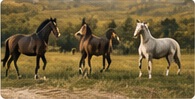
Gear in the field wears differently across the year. By pairing maintenance tasks with the seasons—pre-monsoon, monsoon, post-monsoon, and winter—you can catch wear early, keep tack supple, and avoid preventable breakages that stall work or transport.
Pre-monsoon maintenance (roughly February–April)
- Perform a full harness inspection: check leather, stitching, rivets, buckles, and the integrity of thimbles and leathers. Set aside any item with cracks, torn stitches, or bent fittings for repair or replacement.
- Clean and condition leather harnesses and bridles. Use a mild saddle soap, rinse with clean water, and allow to dry in a shaded, ventilated area. Apply a light leather conditioner to prevent drying and cracking.
- Inspect and replace frayed laces, torn reins, and worn throatlatches. Ensure all fasteners operate smoothly. Keep a small stock of repair parts handy (thread, needles, rivets, buckles, and plaiting cords).
- Check harness fit on the animals and adjust to avoid rubbing or fatigue during long work cycles. If possible, schedule a quick on-site evaluation with a skilled smith or tack repairer.
- Store gear properly after use: dry completely, wipe down, and store on racks away from direct sun, damp walls, or ground moisture. Consider breathable covers for long-term storage. For a gear shopping checklist, see Shop.
Monsoon maintenance (June–September)
- After field use, wipe gear with a dry cloth to remove mud and moisture. Dry storage is essential during monsoon rains to prevent mold and leather deterioration.
- Inspect for mould and mildew, especially on leather components and fabric reins. Clean with a mild soap and wipe dry; treat leather with conditioner after drying to restore suppleness.
- Roll or hang tack to ensure complete drying and air circulation. Elevate on racks rather than placing on damp floors. Consider desiccants or silica packs in the tack room to reduce humidity.
- Check metal fittings for rust and smooth operation of buckles and snaps. Lubricate moving metal parts sparingly with a dry lubricant or silicone spray, avoiding over-application that can attract dust.
- Re-check fit on the horses after any rain or mud exposure; adjust as needed to prevent rubbing and heat spots. If you need gear comparisons, browse horses and explore stud farms at Browse horses and Explore stud farms.
Post-monsoon restoration (October–November)
- Deep-clean leather components: clean thoroughly, rinse, and air-dry completely before conditioning. Inspect for hidden cracks or stitching failures that may have developed during the wet season.
- Re-stitch and repair where needed. If stitching is compromised, consult a qualified tack smith for repairs before the next work cycle.
- Reassess harness calibration with the animals’ current weight and workload. Reorder any worn straps or damaged pieces to maintain proper alignment and reduce strain on joints and withers.
- Re-stock essential repair materials (thread, needles, rivets, buckles) and plan a mid-season maintenance day to minimize downtime later in the year.
Winter readiness (December–January)
- Increase leather conditioning frequency to protect against cold-drying and cracking in dry, cool air. Ensure leather remains pliable and resists stiffening.
- Inspect gear again for any dry-out damage from cooler, crisper conditions. Replace or repair anything showing signs of brittleness or cracking.
- Review storage conditions: ensure the tack room is dry, well-ventilated, and protected from pests. Elevate gear off the ground and use air-drying racks if possible.
- Prepare a spare-parts kit for the season’s busiest months and set a calendar reminder for mid-winter checks. If you source gear locally, consider adding a few versatile items for quick swaps during peak work periods.
Gear-focused maintenance guidelines
Effective maintenance hinges on understanding the components you rely on most in field and transport work.
Leather harnesses
- Clean with saddle soap, rinse, and air-dry thoroughly before applying conditioner. Use thin, even layers to avoid buildup that rubs on the animal.
- Check for cracks, stiff sections, and worn edges along girth straps, breeching, and chestpieces. Replace or repair as needed.
- Inspect stitching, rivets, and buckles. Ensure no loose threads, missing rivets, or bent metal parts that could fail under load.
Tack components
- Bridles, halters, reins, and headstalls should move freely at joints. Watch for stiff leather that hinders movement or causes pressure points.
- Bits, mouthpieces, and cheek pieces should be smooth and free of burrs or sharp edges; replace any damaged parts to prevent sores.
Buckles and fittings
- Inspect for rust, burrs, and bent or cracked fittings. Ensure quick-release snaps work reliably and do not snag or jam during removal.
Storage and cleaning practices
- Store all gear on wall-mounted racks or shelves to promote air circulation. Use breathable covers for long-term storage and keep gear dry between uses.
- Keep a simple maintenance log to track when items were cleaned, conditioned, or repaired. This helps plan future replacements and avoid surprises.
For reliable gear options and accessories, you can explore the Shop page or browse other resources on the site: Shop, Browse horses, Explore stud farms, Visit IETA.
On-farm 12-month maintenance calendar – at a glance
Use this practical outline to schedule tasks with your team. Each season emphasizes a core set of actions, followed by a quick post-season check to ensure everything is ready for the next cycle.
- Pre-monsoon (Feb–Apr): full inspection, clean and condition leather, replace worn laces, check fit, stock repair parts, dry-store gear.
- Monsoon (Jun–Sep): wipe after use, check for mould, air-dry thoroughly, treat leather, inspect for rust, keep gear off damp floors.
- Post-monsoon (Oct–Nov): deep-clean, re-stitch where needed, reassess fit, replenish spare parts, plan next-season maintenance day.
- Winter prep (Dec–Jan): increase conditioning frequency, re-check brittleness, secure dry storage, prepare spare-parts kit.
Implementation tips and common mistakes
- Do not skip a scheduled check because “gear seems fine.” Subtle deterioration can become a failure under load. Build checks into daily routines and weekly farm rounds.
- Avoid over-oiling leather; this can cause slick surfaces and attract dust. Use thin, even layers and wipe excess.
- Store gear off the ground in a dry, well-ventilated space to prevent moisture absorption and mold growth.
- Keep a defined stock of spares and repair items so you do not delay repairs when gear fails in the field.
FAQ
What is covered by the annual calendar?
The calendar focuses on harness, tack, and related gear—leather harnesses, bridles, reins, chestpieces, breeching, and metal fittings—plus storage and routine maintenance to prevent field downtime.
How do I start on a small farm?
Start with a simple kit: a basic leather conditioner, saddle soap, spare buckles, rivets, thread, and a small cleaning cloth. Create a quarterly maintenance day and assign tasks to stable hands, with a quick log kept for each item repaired or replaced.
What signs show gear wear?
Look for cracking or splitting in leather, torn or loose stitching, frayed straps, bent buckles, stiff or rusted fittings, and any rubbing points that could injure a horse.
How can I extend gear life cost-effectively?
Clean and condition regularly, dry gear thoroughly after use, store properly, replace worn parts promptly, and maintain a simple repair-kit on the farm for quick fixes.
Explore India’s Equine Marketplace
Discover horses, stallions, stud farms and trusted equine services on IETA.
