IETA MARKET
Community Stallion Sharing: A Practical Path for Indian Stud Farms

Introduction
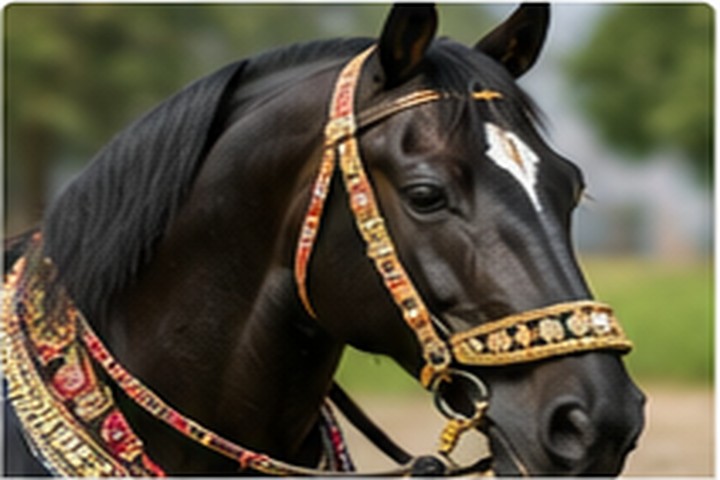
In India’s dynamic equine landscape, breeding elite stallions remains a high-cost, high-stakes endeavour. Many stud farms, especially smaller operations, face barriers to accessing top-tier sires without risking breed integrity or overextending budgets. A thoughtfully designed Community Stallion Sharing model offers a pragmatic solution: pool resources, share access, and rotate elite genetics while upholding welfare and traceability. This approach respects the need for breed purity—Marwari, Kathiawari, and other Indian lines—while creating a sustainable pathway for breeders, owners, and riders alike to participate in higher-quality breeding outcomes.
The Concept: A Practical Model for Shared Access
Community Stallion Sharing is not a single mating event, but a governed framework in which a consortium of stud farms pool resources to access elite sires. Members contribute to a common fund, gain scheduled access to a rotating roster of stallions, and abide by standardized contracts, welfare commitments, and biosecurity protocols. The aim is to expand genetic options without concentrating breeding decisions in a handful of farms, thereby supporting breed integrity and long-term diversity.
Key design features include a transparent governance body, a centralized booking system, and a defined set of welfare and biosecurity standards. Importantly, even as access broadens, individual farms retain control over mare matching, pregnancy management, and foal registration in their own programs, under clear rules about data sharing and provenance.
Core Components
Governance, Contracts and Data Stewardship
A successful community model rests on trust built through clear governance and robust contracts. A steering committee—comprising member farms, a senior veterinary advisor, and a breed liaison—is responsible for eligibility criteria, sire lineup, and rotating use schedules. Contracts should cover:
- Service scope and mare access rights
- Cost-sharing formula and payment cadence
- Risk allocation and liability for injuries or reproductive complications
- Standards for welfare, quarantine, and biosecurity
- Traceability, data sharing, and record-keeping across participating farms
- Dispute resolution and exit provisions
Profiles for each stallion and each member farm should be maintained in a central registry, with identifiers for lineage, temperament, and breeding history. When convenient, reference the broader marketplace ecosystem, for example by exploring the available stallions or studying the offerings across member farms at stallions and stud farms.
Scheduling, Access and Fairness
The scheduling module should ensure predictable access while protecting mare breeding windows. A calendar-driven booking system can allocate slots based on mare cycle, foaling plans, and stallion availability. To preserve fairness, consider rotation rules such as:
– A minimum notice period for mare owners
– A cap on the number of mares per stallion per season
– Priority for farms with robust welfare and quarantine facilities
Communication around upcoming seasons, blackout periods for stallion rest, and clear turnaround expectations help avoid bottlenecks and protect stallion welfare. When possible, integrate access with existing portals, for instance linking mare listings or stallion availability via the Marketplace’s navigation: Browse horses and View stallions.
Quarantine, Health and Welfare Protocols
Quarantine and welfare are non-negotiable pillars of Community Stallion Sharing. A standardized protocol should cover:
- Pre-arrival health verification by a licensed veterinarian
- Designated quarantine facilities with controlled access and biosecurity measures
- Regular health monitoring, vaccinations, and parasite control as advised by veterinarians
- Work-rest cycles and stress mitigation for stallions during travel and across facilities
- Clear guidelines for handling injuries or behavioural stress, including prioritizing mare safety
Data-driven welfare tracking—temperament scores, daily turnout, feeding quality, and routine veterinary observations—helps farms optimize stallion welfare while meeting shared standards.
Genetic Diversity and Breed Integrity
One of the key promises of a shared model is maintaining and enhancing genetic diversity. This requires deliberate planning around sire rotation, mating plans, and documentation. Practical steps include:
- Rotating sires across different partner farms to avoid repeated linebreeding within a short window
- Tracking inbreeding coefficients and maintaining a transparent registry of matings
- Establishing breed-appropriate quotas that protect lineage integrity for Marwari, Kathiawari, and other Indian breeds
- Regular audits of breeding outcomes, with feedback loops to adjust stallion rotation and mare matching rules
For breeders, this means you can access elite genetics while still aligning with breed standards and local adaptation. The goal is sustainable improvement, not rapid consolidation of a few bloodlines.
Implementation Roadmap
How can farms start this model with confidence? A pragmatic roadmap might look like this:
- Stage 1 (0–8 weeks): Convene interested farms, establish governance, and draft a shared charter with core welfare and biosecurity standards.
- Stage 2 (2–3 months): Identify an initial roster of 2–4 elite sires and set the first rotation plan. Develop the booking system and data registry.
- Stage 3 (3–6 months): Pilot quarantine and welfare procedures with a small cohort of mares to test workflows and incident response plans.
- Stage 4 (6–12 months): Expand membership, refine contracts based on lessons learned, and publish a breeding diversity report for transparency.
In the early stages, linkages to the broader marketplace remain essential. Farms can explore partner farms and available stallions, such as those listed at View stallions and Explore stud farms, to gauge compatibility and demand.
Checklists and Practical Guidance
Use these practical touchpoints to move from concept to implementation:
- Define eligibility criteria for member farms (sanitation, quarantine capacity, veterinary support).
- Agree on a fair cost-sharing formula (per mare service fee, maintenance reserve, and contingency funds).
- Draft a standard contract template covering all critical risk and welfare aspects.
- Install a centralized booking and records system with user access controls.
- Detail quarantine protocols and welfare benchmarks in a written operation manual.
- Create a genetic diversity plan with rotation schedules and inbreeding tracking.
- Set up regular review cycles to adapt the roster of sires and rotation rules.
To stay connected with the wider Indian equine community, consider engaging with the marketplace’s resources: browse horses or examine how other farms structure breeding programs via Browse horses and Vendor program.
Estimated Roles and Responsibilities
While details will vary by farm, a balanced distribution of responsibilities helps the model run smoothly:
- Steering Committee: Strategic direction, sire roster approval, conflict resolution
- Health and Welfare Lead: Standardized vet checks, welfare audits, biosecurity training
- Breeding Coordinator: Mare scheduling, booking management, and rotation enforcement
- Data Steward: Registry maintenance, lineage tracking, and privacy safeguards
Conclusion
Community Stallion Sharing offers a practical, scalable path for Indian stud farms to access elite genetics without compromising breed integrity or welfare. By combining transparent governance, fair access, robust quarantine, welfare commitment, and deliberate genetic management, farms of different sizes can collaborate to raise the standard of Indian breeding while maintaining regional authenticity. The model invites participation from breeders, riders, and enthusiasts who value responsible stewardship as much as performance on the field.
FAQs
Can any Indian stud farm join the program?
Participation is typically open to farms that meet a defined minimum standard for welfare, biosecurity, and record-keeping. A preliminary application and review by the steering committee help ensure compatibility with the shared objectives and breed integrity guidelines.
How are costs and access shared?
Costs are typically structured as a per-mare service fee plus a contribution to a maintenance reserve. Access is managed through a centralized booking system that ensures fair rotation across the roster of stallions and respecting each mare’s breeding window.
What safeguards protect genetic diversity and breed integrity?
A rotating sire roster, explicit inbreeding tracking, and breed-specific quotas help maintain diversity and purity. Regular audits and data transparency support continual learning and adjustment of the breeding plan.
What if a dispute arises or a welfare concern emerges?
A clearly defined dispute resolution mechanism and welfare escalation path are essential. The steering committee, or an appointed welfare officer, should address concerns promptly and document outcomes to inform future decisions.
Explore India’s Equine Marketplace
Discover horses, stallions, stud farms and trusted equine services on IETA.