IETA MARKET
From Foal to Rider: An 8-Week Plan for Marwari & Kathiawari Foals
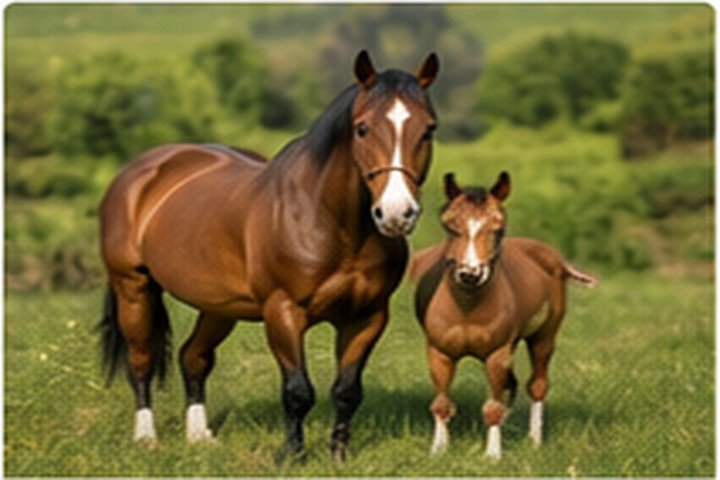
From foal to rider: an 8-week transition plan for Marwari and Kathiawari stock

For Indian stud farms producing Marwari and Kathiawari stock, a patient, region-aware approach to early handling builds confident riding partners. This eight-week plan is designed to introduce foals to handling, leading, groundwork, and saddle-familiarisation in a steady, low-stress progression that respects the temperament and climate of these breeds. It emphasizes consistency, safety, and clear communication between handler and foal, with weekly milestones that can be adapted to individual foals and farm routines.
While the plan provides a structured path, every foal is different. Use this as a flexible framework, adjust pacing to the foal’s comfort, and consult an experienced trainer for tailored guidance. For broader breed context and farm-focused resources, you can explore our marketplace resources at Explore stud farms or browse individual stock at Browse horses.
Week-by-week transition plan
Week 1 — Handling basics and safety
- Introduce a well-fitting halter and a light cotton lead rope. Keep sessions short (5–10 minutes) and calm.
- Gentle grooming to build trust: stroke with the palm open, check ears, withers, and feet. Reward calm behavior with soft voices and brief pats.
- Establish a simple routine around feeding and turnout so the foal learns to anticipate and relax with predictable cues.
- Limit exposure to busy or noisy environments. Choose a quiet corner of the yard with good footing.
Week 2 — Leading and space respect
- Begin leading in-hand along a familiar path, using a steady pace and a clear stop cue. Keep the foal at the shoulder, not directly in front of you, to encourage respect for your space.
- Practice stop signals by standing still and using a calm voice cue. Reward compliance with a quick pat and a small treat or a preferred forage.
- Introduce short, supervised pauses during walks to teach patience and composure.
Week 3 — Ground-work foundation
- Gradually introduce ground-work elements such as calmly guiding the foal through simple cones or poles on the ground to encourage attention to leg and body cues.
- Use soft pressure-and-release methods on simple obstacles to establish trust that pressure leads to relief, not fear.
- Keep sessions light, with ample rest and water, avoiding heat stress in hot regions common to Marwari and Kathiawari environments.
Week 4 — Desensitisation to equipment
- Begin desensitisation to saddle pads, blankets, and other light equipment. Let the foal sniff, touch, and gradually experience resting a pad on the back for a few seconds.
- Practice in-hand handling while equipment is present, reinforcing calm responses and soft handling techniques.
- Continue grooming and halter control, maintaining a consistent routine to reduce anxiety around unfamiliar items.
Week 5 — Saddle-familiarisation
- Place a light saddle pad on the foal’s back for short intervals (1–2 minutes) during calm sessions. Remove promptly if the foal shows signs of tension.
- Introduce the girth loosely for brief checks, ensuring the foal remains comfortable. Do not fasten tightly yet; focus on acceptance and curiosity.
- Incorporate more hand-guided ground-work with the saddle present to reinforce confidence around the equipment.
Week 6 — Continued in-hand work and cues
- Progress to more precise body-language cues: directional pressure with your lead hand, voice cues, and a calm body posture.
- Maintain short, structured sessions (10–15 minutes) with regular rest. Emphasise consistency over duration to prevent fatigue or fear.
- Begin light handling in the area where the foal will eventually ride, keeping the reinforcement of calm behavior as the goal.
Week 7 — Mounted introduction (with a trainer present)
- With a trained rider and a well-fitted, light saddle, test a brief seated moment on the saddle while the foal remains on the ground or in a calm stance.
- Encourage the rider to distribute weight evenly and keep contact minimal at first. The goal is to acclimate to the sensation, not to ride for distance.
- If the foal remains relaxed, progress to a very short, supervised session with the rider seated for a few seconds, then dismount and praise.
Week 8 — First short, supervised ride
- Under expert supervision, attempt a short, flat-ground ride in a safe, familiar space. Keep sessions under 5–10 minutes and monitor the foal for any signs of distress.
- Prioritise balance, rhythm, and calm responses over speed or distance. End on a positive note with grooming and reward.
- Document progress: what the foal responded well to, any triggers, and preferred cues. Use this data to tailor ongoing training and turnout plans.
Region-specific considerations for Marwari and Kathiawari stock
- Climate and heat management: schedule sessions during cooler parts of the day, provide ample shade and water, and be mindful of high dust conditions common to many breeding regions.
- Temperament and early social exposure: Marwari and Kathiawari foals often benefit from gentle, predictable routines and minimal exposure to crowds during handling sessions.
- Footing and footing preservation: ensure firm, dry footing to reduce slip risk; do not rush foals on uneven surfaces in the first weeks of training.
- Nutrition and energy balance: maintain consistent feeding schedules; avoid overexertion during hot months and provide electrolytes only under veterinary guidance.
Practical tools, safety, and setup
- Equipment: well-fitted halter, lead rope, grooming kit, saddle pad, a light saddle for familiarisation, cones or poles for ground-work.
- Environment: choose a quiet, secure area with soft footing; gradually increase exposure to farm activity as the foal grows more confident.
- Safety: never leave a foal tethered or unattended near gear; maintain a safe distance for the handler and the foal, and use a helper when introducing mounting-related steps.
Farm management checklist
- Schedule 3–4 short sessions per week, with rest days in between to prevent fatigue.
- Keep a simple training log noting cues used, responses observed, and any signs of stress.
- Coordinate with a trainer or senior staff for the week-by-week milestones, ensuring everyone uses consistent cues and language.
- Ensure water, shade, and electrolyte management align with regional climate patterns; monitor for heat stress during training.
- Monitor the foal’s growth and adjust the plan if the foal shows signs of excessive fatigue, fear, or reluctance to engage.
Internal resources you can consult
For broader context on Indian breeds and stud management, you can explore Explore stud farms or browse individual stock at Browse horses. The IETA platform also offers vendor programs and marketplace tools to support breeders and trainers across India: Vendor program and Visit IETA.
Conclusion
An 8-week, region-aware transition plan lays a solid foundation for foals to become confident riding partners. By prioritising calm handling, patient progression, and breed-specific considerations for Marwari and Kathiawari stock, farms can nurture youngsters who are balanced, trainable, and safe—both in the stall and in the saddle. Remember, every foal progresses at its own pace. Celebrate small victories and maintain a supportive, consistent routine to sustain long-term success.
FAQ
Q1: How long should the eight-week plan take to complete for a typical foal?
A: The plan is designed as eight weekly milestones, but the pace should be adjusted to the foal’s comfort. Some foals may advance faster; others may require extra time in Weeks 2–4. The key is steady progress and ensuring the foal remains calm and curious rather than stressed.
Q2: Should I use a longe line during ground-work in Week 3?
A: A long, soft rope can be useful for gentle guidance and to help the foal learn to follow cues from a distance. Use it under supervision and ensure the area is safe. If unsure, consult a trained handler and never push a foal beyond its comfort zone.
Q3: How can I tell if the foal is ready for saddle-familiarisation in Week 4–5?
A: Indicators include steady calmness during handling, willingness to approach equipment, and no strong startle responses when pads or blankets are introduced. If the foal rigidly resists or shows persistent distress, pause and revisit handling basics before progressing.
Q4: What signs indicate we should pause or slow the plan?
A: Signs include frequent tail swishing, pinned ears, heavy breathing, sweating in non-work areas, repeated bolting or spin attempts, or any refusal to engage. In such cases, reduce session length, emphasize rest and hydration, and seek guidance from an experienced trainer.
Explore India’s Equine Marketplace
Discover horses, stallions, stud farms and trusted equine services on IETA.