IETA MARKET
4-Week On-Farm Stall Renovation Plan for Indian Horses: Ventilation, Drainage & Bedding

Introduction
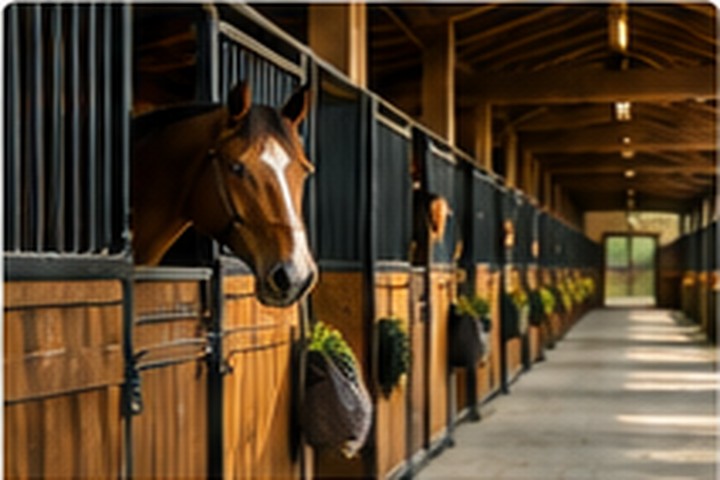
Monsoon months can transform a stable into a damp, uncomfortable environment for horses. Moisture seeping through floors and walls, damp bedding, and stagnant air can contribute to skin irritations, coughing, and general discomfort for our horses. This editorial offers a practical, four-week plan to upgrade on-farm stalls using locally available materials, focusing on ventilation, drainage, and bedding. The goal is to reduce moisture-related issues while keeping costs reasonable and work manageable for small-stable teams.
We’ve written this with the realities of Indian stud farms, riding stables, and mixed-use facilities in mind. The plan emphasizes simple layouts, robust but affordable builds, and routine maintenance that can be slotted into a busy stable schedule. For readers seeking more resources on buying and studying horses and facilities, quick links to Browse horses and Explore stud farms are embedded in the article.
Week-by-week plan: a practical roadmap
Week 1 — Assess, plan, and begin ventilation improvements
Start with a stall-by-stall survey. Note the following: drainage patterns around the stall, water entry points from the roof and walls, existing bedding, and air movement at different times of day. Take measurements and sketch a simple plan for each stall, borrowing ideas from nearby stables if you can visit them in person or via your network.
- Ventilation: The breathability of a stall is often the single most effective lever against moisture. Look for opportunities to create controlled air flow without letting rain enter. Simple, locally sourced options include widening under-eave gaps or installing small, roll-down panels made from breathable materials like bamboo slats or lightweight mesh. If you already have a roof overhang, ensure there are gaps at high points so warm, moist air can escape naturally. Where possible, add two to three narrow vents on opposite ends of a stall to encourage cross-ventilation.
- Drainage groundwork: Start with a clean slate by marking a shallow, continuous slope away from the stall along the wall. A gentle 1–2% slope helps fluids move toward a drainage trench, not toward the stall door. In monsoon climates, every stall benefits from a discreet drainage channel along the outer wall. Use a shallow trench (about 15–20 cm wide, 10–15 cm deep) lined with coarse stone or gravel and, if feasible, a perforated pipe to collect water and channel it to an outdoor soak pit or a designated sump. Materials can be sourced locally and installed with basic masonry skills.
- Bedding stock check: Assess current bedding’s absorbency and dry-down speed. Begin listing locally available absorbent materials (see Week 3 for options). The aim in Week 1 is to ensure the stall surface and drainage can handle a wetter floor—don’t wait until after the first downpour to plan this step.
As you work, document the before-and-after conditions of at least three stalls. This will help you judge the impact of each intervention over the next three weeks. It’s also a good moment to reconnect with your local suppliers—whether fodder dealers, builders, or hardware stores—and ask for durable, low-cost alternatives to standard commercial products. If you’re curious about nearby equine buying options or colleagues’ facilities, you can explore the marketplace at the included internal links.
Week 2 — Flooring and slope improvements that shed water
The flooring choice sets the stage for moisture control. In many Indian stables, the floor is a mix of compacted earth or brick with a rough finish. The monsoon season makes this surface retain moisture longer, which can aggravate damp bedding. Week 2 concentrates on creating a durable, easy-to-clean floor with a safe, gentle slope toward the drainage channel.
- Floor slope: Aim for a 1–2% cross-slope away from the stall center and a 1–2% longitudinal slope toward the drain path. If a full concrete pour isn’t feasible, consider a cement screed or lime-plaster finish that creates a smooth, non-slip surface with a subtle gradient.
- Choosing a floor option: Two practical pathways exist depending on budget and existing structure:
- Option A (low-cost, quick+durable): Create a compacted concrete base with a gentle slope and integrate a shallow trench drain along the stall wall. If water infiltration is a concern, seal the joints with breathable cementitious grout suited to stable environments.
- Option B (cost-conscious but sturdy): If concrete isn’t feasible everywhere, install interlocking concrete pavers over a compacted base with a 1–2% gradient toward a coated drainage trench. Hosing off manure is easier with a smooth surface.
- Edge sealing and crack management: Check joints where the stall wall meets the floor. Fill small cracks with a breathable sealant or lime putty to reduce capillary seepage. This helps keep the stall drier for longer between cleanings.
During this week, coordinate with a mason or a skilled helper if available. Timely execution here reduces the risk of ongoing moisture problems and lowers maintenance burdens in the weeks to come.
Week 3 — Bedding systems that stay drier, using local materials
Bedding selection is a key line of defense against moisture. The right bedding soaks up dampness, dries quickly, and is easy to manage. In India, farmers have access to several locally available materials that work well when layered properly. The goal in Week 3 is to establish a robust bedding system that can be replenished daily and stays dry during wet weather.
- Top-dress bedding: Use a 3–5 cm upper layer of dry, fast-absorbent material. Options include rice husk, paddy straw, or shredded coconut husk (coir) fibers. These materials are commonly available and cost-effective. They layer well over a base that has good drainage.
- Base layer: Beneath the top layer, maintain a 5–7 cm layer of coarse bedding or dry sand to wick moisture and promote drainage. In areas with high humidity, a gentle grit or small gravel mix can help.
- Absorbency and rotation: Maintain dryness by removing visibly soiled bedding daily and replenishing the top layer as needed. Consider rotating horses through different stalls to give bedding a chance to dry between use if you have multiple stalls.
- Hygiene and dust control: Keep bedding materials as free of dust as possible to minimize respiratory irritation. Regularly damp-mop or sweep the stall to reduce churn and dust from the bedding materials themselves.
This is also a good window to start a simple maintenance routine that fits your team’s rhythm. Quick daily tasks—scrape, brush, remove urine-soaked material, and add fresh bedding—make a visible difference in stall condition and horse comfort.
Week 4 — Finishing touches, maintenance plan, and sustainability
With the structural and bedding upgrades in place, Week 4 focuses on long-term upkeep and sustainable practices. The aim is to keep moisture under control with predictable routines, while avoiding heavy capital expenditures.
- Wall finishes and ventilation accents: Apply a breathable lime-wash to interior walls. Lime finishes resist dampness while remaining breathable, reducing mold growth in damp conditions. Exterior surfaces can be cleaned and repainted with weather-appropriate coatings to protect against rain entry.
- Maintenance schedule: Create a simple weekly checklist that includes inspecting drainage channels for blockages, verifying ventilation gaps are clear, testing floor slope during rain, and replenishing bedding as needed. A short, repeatable routine helps staff sustain the improvements without extra overtime.
- Monitoring and adaptation: After the initial season, reassess stall dryness by checking bedding moisture, urine soakage areas, and any odor or mold signals. Use these observations to fine-tune bedding depth, cleaning frequency, and ventilation openings.
- Community and resource sharing: If you have access to a small network of nearby studs or stables, share experiences and potential suppliers. You can also explore broader resources such as vendor programs and marketplace connections through IETA’s network.
While these steps are practical for a four-week window, the underlying principle is straightforward: create a stable that breathes, sheds water efficiently, and keeps the horse comfortable with routine, locally sourced solutions. To learn more about the broader equine landscape and regional resources, you can explore the marketplace options and listings at the sites linked below.
Materials and sourcing: locally available options that work
The essence of this renovation is using materials you can source within your district or state. Here are some practical categories and examples you can proportionally scale to your budget and stall size:
- Ventilation materials: Bamboo slats, mesh panels, breathable fabric screens, and simple vent blocks. Create adjustable openings near the roofline or along stall walls to facilitate airflow without letting rain inside.
- Drainage materials: Coarse gravel or crushed stone for the base, perforated PVC pipes for drainage channels, and brick or stone edging to keep the trench intact. A shallow trench with a mild slope is often sufficient and easier to maintain than a full-scale trenching project.
- Bedding options: Rice husk, paddy straw, shredded coconut husk (coir) fibers, and dried sawdust from local carpentry shops. These materials should be used dry and topped with a fresh layer daily.
- Finish and protection: Breathable lime wash for walls; cementitious grouts considered only where appropriate and breathable, to avoid trapping moisture inside walls.
Practical checklist: a quick guide to implement
- Walk each stall to identify low spots, leaks, and air-flow opportunities.
- Plan and mark a drainage path that directs water away from stalls toward a safe outlet.
- Install or upgrade ventilation openings, ensuring rain cannot enter through them.
- Prepare a base layer for flooring that supports drainage and is easy to clean.
- Select bedding materials that are absorbent, locally available, and easy to replenish daily.
- Apply breathable wall finishes to reduce dampness and mold growth.
- Set a simple weekly maintenance routine for bedding, drainage, and ventilation checks.
- Document changes and monitor horse comfort with daily observations and routine checks.
Quick internal resources
For broader context on horse listings and stud facilities in India, explore the marketplace links: Browse horses and Explore stud farms. If you’re looking at stall capabilities or breeding options, you can also view a range of stallions here: View stallions, or learn more about the IETA community by visiting Visit IETA.
FAQ
What is the main goal of this 4-week plan?
The plan aims to improve stall dryness and air quality by enhancing ventilation, improving drainage, and selecting absorbent, locally available bedding. All steps are designed to be practical, affordable, and adjustable to different stable sizes.
Which bedding materials work best in monsoon Indian conditions?
Absorbent materials such as rice husk, paddy straw, and shredded coconut husk fibers are commonly available in many regions and perform well when topped with a dry layer. They should be kept dry, refreshed daily, and replaced as needed to maintain dryness and reduce odor.
How do I know if ventilation is effective?
Effective ventilation creates a gentle air exchange without draughts on the horse. Look for steady air movement near stall openings at different times of day and ensure there are no large stagnant pockets of air. If you notice persistent dampness or musty smells, adjust openings or add more cross-ventilation pathways.
Where can I find more resources or buy materials?
Local suppliers for gravel, lime-based products, and bedding materials are typically available through regional markets. For broader community insights and supplier connections, explore the marketplace links mentioned above and consult with fellow owners in your region. The IETA network provides a practical platform to share experiences and recommendations with other Indian horse keepers.
Explore India’s Equine Marketplace
Discover horses, stallions, stud farms and trusted equine services on IETA.
