IETA MARKET
Designing a Compact On-Farm Quarantine Pen for Incoming Horses in Indian Stables

New arrivals bring both opportunity and risk. In Indian stables, a compact, well-planned quarantine pen is a practical cornerstone of biosecurity. This step-by-step guide walks you through designing a small-footprint quarantine pen that’s durable, easy to clean, and adaptable to the climate and space realities of Indian studs. The aim is to create a safe first-contact space for incoming horses that minimizes disruption to the rest of the yard while promoting humane handling and welfare.
Planning for a compact quarantine pen
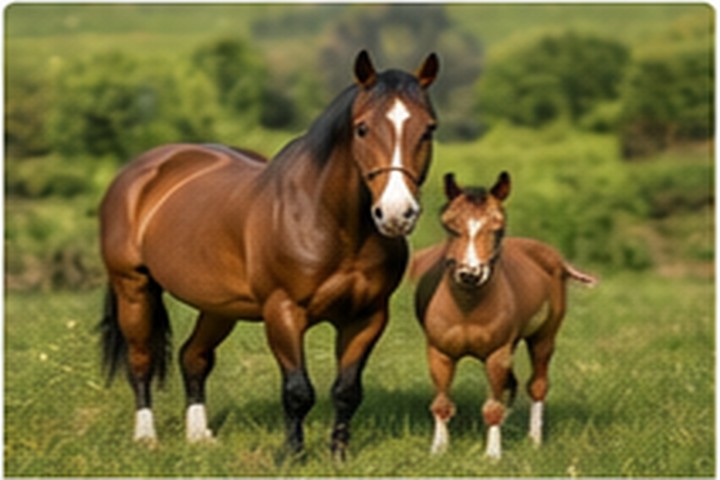
Before you lift a plank or lay a slab, map your constraints: available space, budget, the typical scale of arrivals, and your stable’s routine. In humid and monsoon-prone regions, a quarantine pen should also address ventilation, drainage, and shade. The design below emphasizes simplicity and durability, with materials and layout chosen for Indian conditions. If you are purchasing equipment or panels, consider sources that support small studs through reliable suppliers — for example, our Vendor Program offers modular options. If you want broader context on stud inventories, you can Explore stud farms or browse available stock at Browse horses to plan matching timelines.
Materials and layout considerations
- Pen shell: Choose sturdy, smooth-surfaced panels or timber with rounded edges to prevent injuries. Galvanized steel, powder-coated metal, or well-sealed timber are common choices. Ensure corners are free of protrusions and fasteners are recessed.
- Flooring: Non-slip, easy-to-clean surfaces are essential. Consider interlocking rubber mats or a smooth, well-sloped concrete floor with drainage channels to carry effluent away from the pen.
- Drainage and slope: A gentle slope toward a drain or trench reduces standing water, especially important in monsoon seasons. Plan drainage so that runoff does not pool near gates or feeding areas.
- Roofing and shade: Provide a sheltered area and cross-ventilation. A light shelter or shade cloth can reduce heat stress while allowing airflow.
- Water and feeding: A raised or recessed feed trough plus a water option (bucket or nipple drinker) keeps feeding calm and reduces spillage. Position feeders away from the doorway to minimize contamination when the horse enters or exits.
- Biosecurity zones: Avoid sharing water lines or feeders with resident stock. Use separate brushes, buckets, and equipment for the quarantine pen, with color coding or labeled storage.
Step-by-step design guide
Step 1: Define the footprint
For a single horse, plan a compact pen that allows basic turning and lying down space without crowding. A practical footprint starts around 3 m by 3 m, with adjustments for available space and horse size. If you anticipate foals or smaller stock, you may opt for a smaller, proportionate area but ensure there is room for a routine inspection, grooming, and a clean-out. The design should permit easy access for handlers and vendors while preventing unintended contact with other animals.
Step 2: Choose materials
Durability and ease of cleaning are the two guiding criteria. For panels and gates, galvanized steel or powder-coated frames resist rust in humid climates. Flooring should be non-slip and easy to hose down; rubber mats are common, but a smooth, sloped concrete surface with a trench drain can work well in hot, damp conditions. Avoid timber surfaces that warp or harbor parasites without proper sealing. If budget is tight, prioritize a solid, hinged gate, a stable lock, and a washable feed and water setup. Sourcing modular panels from reliable suppliers or the Vendor Program can keep costs predictable and installation straightforward.
Step 3: Layout and airflow
Position the pen to maximize ventilation while protecting the horse from direct drafts. Favor cross-ventilation with openings on opposite sides or ends and consider a shaded region that remains cooler for a large portion of the day. Gate alignment should minimize turning the horse in tight spaces during entry and exit, reducing stress. A small, sheltered entry area—like a vestibule—can help handlers prepare gear and disinfect boots before stepping into the main pen. Keep the wash-down area nearby but separated from resident horse facilities to prevent cross-contamination.
Step 4: Feeding and water arrangement
Place feed troughs and water access away from the direct line of entry to avoid spillage on the floor. A raised trough can help reduce waste and dirt mixing with feed. If you use a water bucket, ensure it is heavy enough to resist tipping, with a backup location for emergencies. Consider a simple, cleanable water line or a nipple drinker if available in your setup, but verify the system’s reliability in your climate and barn layout.
Step 5: Hygiene infrastructure
Hygiene infrastructure is the backbone of quarantine effectiveness. Install a dedicated handwashing and boot-cleaning station at the pen entrance. Maintain a small, clearly labeled supply area for disinfectants, brushes, sponges, and cloths used only for the quarantine pen. Provide a footbath with an accessible rim to encourage handlers to disinfect boots before stepping into the pen. Mark the access path to delineate clean and contaminated zones, and ensure all cleaning tools are stored off the ground and away from resident stock.
Step 6: Gates, security, and isolation protocol
Security is essential to prevent unauthorized access and to control movement in and out of the pen. Use a sturdy, lockable gate with a visible latch, and ensure hinges and framing are robust enough for routine cleaning and handling. Establish a simple isolation protocol: designate a single entry point, a routine for inspecting horses on arrival, and a clear plan for removing a horse back into the main yard if needed. Color-coded equipment helps staff quickly identify which tools belong to the quarantine pen versus the rest of the stables.
Hygiene and biosecurity practices
Quarantine is most effective when hygiene becomes routine rather than exceptional. A daily cleaning routine should remove manure, urine, and spilled feed from non-slip surfaces. After each arrival, perform a light cleaning, followed by a disinfectant wipe-down of touchpoints such as door handles, gate latches, and feed troughs. Schedule deeper cleaning and floor washing at regular intervals, and ensure drainage paths remain clear to prevent pooled moisture. Keep an orderly supply of clean brushes and cloths for the quarantine pen, separate from those used in the resident herd.
Daily cleaning routine
Remove manure and damp bedding, rinse surfaces with water, and wipe down with an approved veterinary-disinfectant according to label instructions. Dry the pen before the next use. Inspect the horse for signs of stress, illness, or abnormal coughing or nasal discharge, and document findings in a log for quick reference.
Disinfection and waste handling
Disinfect high-contact areas after each use and manage waste in a closed container to minimize odors and pests. If you have a yard-wide manure management plan, coordinate quarantine waste disposal with it to avoid cross-contamination of resident stock.
Budget-friendly adaptations for small studs
Small studs can implement this design affordably by focusing on modular, reusable components. Use locally available materials where possible, and consider second-hand but solid panels that can be refurbished. Plan the layout to minimize the number of gates and joints, which reduces maintenance needs and potential entry points for pests. If you are sourcing equipment, consider suppliers who support small farms through phased purchases or rental options. For broader inspiration and equipment sourcing, you can visit the Vendor Program, or explore options from our market network at Explore stud farms.
Quick checklist for a compact quarantine pen
- Defined footprint with clear entry/exit paths
- Non-slip flooring with proper drainage
- Ventilation plus shaded area
- Dedicated water and feeding setup away from main yard
- Dedicated cleaning station and boot bath
- Color-coded equipment and clearly labeled zones
- Sturdy, lockable gate and safe materials
- Simple daily hygiene routine and logbook
Frequently asked questions
Q1: What is a practical footprint for a single horse in a compact quarantine pen?
A1: A practical starting point is around 3 m by 3 m, with adjustments for horse size and available space. The key is to give enough room for the animal to stand, turn, and lie down comfortably, while keeping the area easy to clean and secure.
Q2: Which materials perform best in Indian humid climates?
A2: Durable, corrosion-resistant panels (preferably galvanized or powder-coated) and non-slip flooring are recommended. Ensure surfaces are smooth to reduce injury risk, and choose flooring that drains well and dries quickly after cleaning.
Q3: How often should the quarantine pen be disinfected?
A3: Clean and disinfect daily high-touch areas after each use, with a more thorough cleaning schedule (e.g., deep cleaning and floor washing) at intervals appropriate to your yard’s routine and local conditions. Always follow veterinary-disinfectant label directions.
Q4: How can a small stud implement this on a budget?
A4: Prioritize modular, reusable panels and locally available materials. Consider second-hand but solid components, a simple gate system, and bulk purchases of essential hygiene supplies. The Vendor Program linked above can help connect you with affordable, dependable options.
Explore India’s Equine Marketplace
Discover horses, stallions, stud farms and trusted equine services on IETA.
