IETA MARKET
Export-Ready Cross-Border Transport: Permit-to-Quarantine Checklist for Marwari & Kathiawari

Introduction
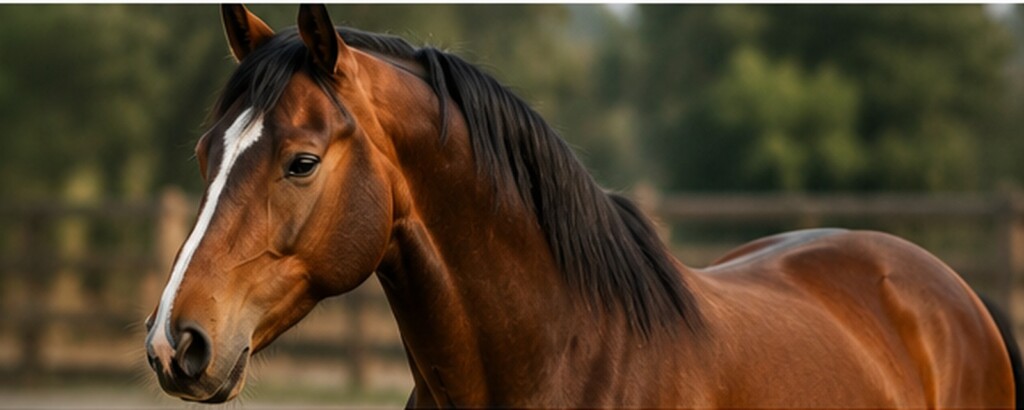
Indian breeders of Marwari and Kathiawari stock are increasingly looking beyond national markets. Export-ready cross-border transport demands meticulous planning, not just in selecting quality stock but in aligning with permits, quarantine requirements, and welfare standards at every step. This practical permit-to-quarantine checklist is designed for breeders, studs, and transport partners who want a clear, usable framework to move stock with confidence while safeguarding welfare, compliance, and value.
For those exploring breeding stock or possible export routes, the IETA platform offers access to vetted partners and stock (browse options at https://ieta.in/horses/ and explore facilities at https://ieta.in/stud-farms/). Use this guide as a field-tested starting point to build a transparent, compliant export plan that respects Marwari and Kathiawari stock and meets destination-country expectations.
Understanding the export landscape for Marwari and Kathiawari stock
Export requirements vary by destination country, carrier, and regulatory authority. Even within India, the process hinges on accurate animal identification, health status, documentation, andVerified quarantine arrangements. This guide lays out a practical, step-by-step approach you can adapt to your destination’s rules, whether you’re shipping to neighboring markets or farther abroad.
Regulatory touchpoints you must align
- Export permit and movement authorization from the relevant authorities.
- Pre-export health clearance and veterinary certification confirming fitness for travel.
- Quarantine planning, including approved facilities, duration, and monitoring requirements at the destination or transit points.
- Transport arrangements that meet welfare standards—loading, transport timing, climate control, and handling protocols.
- Accurate stock identification, breed confirmation, and traceability records.
- Destination-import paperwork, customs clearance, and post-arrival quarantine requirements (if applicable).
Practical permit-to-quarantine checklist
Use this step-by-step checklist to structure your export plan. Adapt the timeline to your destination country, carrier schedule, and the health status of your Marwari or Kathiawari stock.
- 1. Define the export destination and regulatory path. Confirm country-specific import rules, quarantine duration, required documents, and any restrictions on breed or horse age. If in doubt, contact the destination’s veterinary authority and your vet early.
- 2. Prepare stock identifiers and pedigrees. Ensure each horse has a verifiable ID (microchip, tattoo, or passport), breed confirmation, age, sex, and matching registration details where applicable.
- 3. Schedule a pre-export veterinary assessment. A thorough health check within the window required by the destination, including any required vaccines or treatments, should be performed by a qualified veterinarian familiar with export standards.
- 4. Obtain the export health certificate and permits. Secure the official health certificate and any export permits or movement documents from the appropriate authority. Verify that documents reflect the exact stock IDs and destination.
- 5. Plan quarantine at origin and/or destination. Identify approved quarantine facilities and determine the required duration. Ensure facilities meet welfare and biosecurity standards and that staff understand the species-specific handling needs of Marwari and Kathiawari horses.
- 6. Coordinate transport logistics with a compliant carrier. Book a carrier experienced with equine transport, confirm climate control, ventilation, space, and the contingency plan for delays. Clarify loading/unloading procedures, feed/water provisions, and rest stops.
- 7. Assemble a complete paperwork packet. Compile the export permit, health certificate, vaccination records, stock IDs, quarantine documentation, bills of sale, and any destination-specific forms. Include contact details for breeders, vets, and transporters.
- 8. Confirm feed, water, and welfare provisions for transit. Prepare a feeding plan that minimizes travel stress and maintains hydration. Ensure the handler and carrier understand restrictions on sedatives or medications in transit, if any.
- 9. Ensure traceability and post-arrival plans. Document chain-of-custody steps and arrange post-arrival quarantine and health checks if required by destination authorities.
- 10. Establish a communication protocol. Designate a primary point of contact for the breeder, transporter, and destination facility. Schedule status updates at key milestones (load, departure, transit, entry, and arrival).
- 11. Conduct a pre-shipment welfare check. Confirm that hooves, health, and temperament are stable ahead of travel; address any minor issues to minimize in-transit stress.
- 12. Review contingency plans. Prepare for delays, weather disruptions, or regulatory hold-ups with alternatives for routes, carriers, or quarantine solutions.
Documentation and health guarantees
Documentation is the backbone of a smooth export. Create a single, organized packet that includes all required records and contact information. Work with a veterinarian who understands cross-border requirements and can provide verification that aligns with destination expectations. If you regularly export, maintain a standard template and update it with regulatory changes as they occur.
Key documents typically involved include the export permit, health certificate, identification records for each horse, vaccination and medical treatment logs, quarantine approvals, sale or transfer paperwork, and destination-entry forms. Keep both physical copies and scanned backups accessible to all parties involved in loading, transport, and destination clearance.
Transport planning and in-transit care
Choosing a competent transporter
Partner with a transporter who has demonstrable experience in international equine movement and knowledge of the specific needs of Marwari and Kathiawari stock. Discuss handling, staging, climate control, and rest-break policies. Request references and review their welfare certifications and insurance coverage.
When possible, arrange a pre-shipment trial or a shorter leg to assess handling quality and identify any silent welfare risks before committing to a longer route. Consider coordination with a local depot or stable that can assist with final preparations and reception.
On-arrival quarantine and release
Destination quarantine rules will determine whether horses require immediate release after arrival or a post-landing quarantine period. Ensure a clear plan is in place, including the facility, monitoring schedule, and veterinary oversight for the initial days after arrival. Sharing a simple timeline with the importer helps prevent miscommunication and delays.
Timeline and risk management
Export readiness is best viewed as a plan with a realistic timeline. A typical preparatory window from initial decision to successful arrival could range from 6 to 8 weeks, though some destinations may require longer. Build in buffers for health clearances, approvals, and potential customs checks. Regular check-ins with your veterinarian, transporter, and destination contact will keep the process on track and reduce last-minute stress.
Do’s and don’ts for Marwari and Kathiawari exporters
- Do start regulatory conversations early and document all communications.
- Do ensure stock IDs and breed confirmation are clear and consistent across documents.
- Do engage a qualified equine veterinarian experienced with export processes.
- Do choose transporters with proven welfare standards and proper insurance coverage.
- Don’t travel under poor health, dehydration, or unmanaged stress indicators.
- Don’t rely on outdated paperwork; verify each document aligns with the destination’s requirements.
- Don’t neglect post-arrival welfare monitoring and compliance checks.
Quick-start sample checklist for immediate action
- Decide on destination and confirm initial regulatory path.
- Collect and verify stock IDs, breed details, and age.
- Schedule a pre-export veterinary assessment and obtain a health certificate.
- Secure export permits and identify approved quarantine facilities.
- Book a reputable transporter with climate-controlled, welfare-focused practices.
- Prepare all documents in a single packet with copies for breeders and the destination.
- Agree on a communication plan and key milestones between all parties.
Conclusion
Exporting Marwari and Kathiawari stock is a venture that rewards careful planning and disciplined execution. A robust permit-to-quarantine checklist helps ensure animal welfare, regulatory compliance, and the integrity of your breeding program as you reach new markets. Use this framework as a practical starting point, and leverage the IETA ecosystem to connect with reputable breeders, transport partners, and stud facilities (see https://ieta.in/stud-farms/ and https://ieta.in/horses/) to support every stage from origin to destination.
FAQ
Below are concise answers to common questions breeders ask when planning cross-border transport for Marwari and Kathiawari stock.
Explore India’s Equine Marketplace
Discover horses, stallions, stud farms and trusted equine services on IETA.