IETA MARKET
Post-Arrival Adaptation Protocol: 10-Day On-Farm Plan for Indian Horses
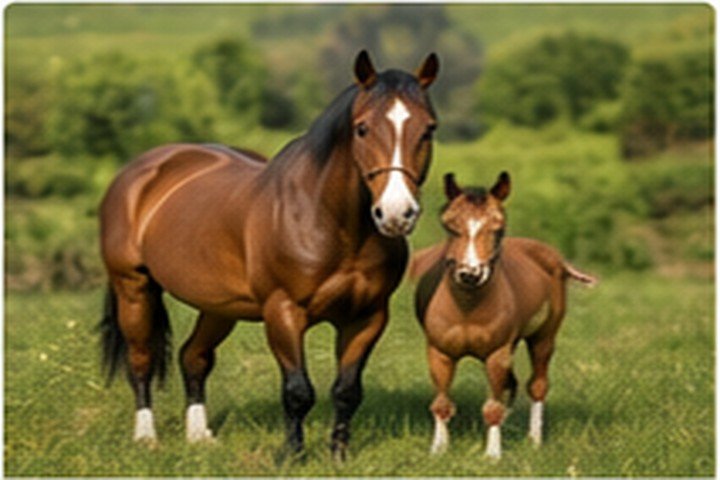
Introducing a new horse to your stable is a moment of opportunity and responsibility. Transport, unfamiliar surroundings, and new social dynamics can all stress a horse enough to affect appetite, turnout readiness, and overall welfare. The Post-Arrival Adaptation Protocol outlined here is a concise, 10-day on-farm plan designed for Indian stables. It focuses on easing transport stress, guiding diet adjustment, and enabling smooth social integration—without rushing routines or forcing adaptation. Practical, field-tested steps help owners, breeders, and farm staff establish a calm start that supports long-term wellbeing.
The 10-Day On-Farm Adaptation Plan
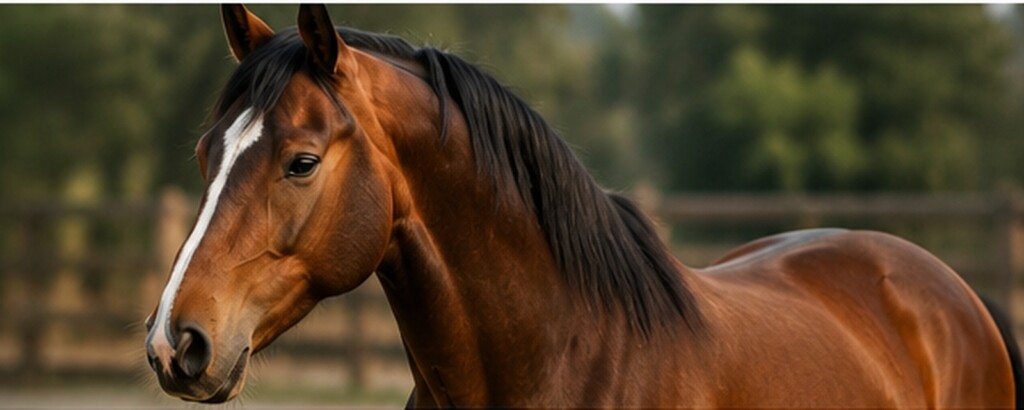
Day 0–1: Arrival and Immediate Welfare
On arrival, give the horse a quiet, low-stress environment. Assign a familiar, well-ventilated stall with good footing and clean bedding. Check basic needs: water availability, access to fresh forage, and a light, stress-free handling routine. Observe for signs of distress such as restlessness, excessive sweating, or reluctance to drink. Keep handling minimal and predictable to build trust. If the horse has traveled far, consider delay in exercise until hydration and oral intake are established. A calm, routine-based first 24 hours helps reset the animal’s nervous system after transport.
Practical steps you can take now:
- Provide continuous access to clean water and a small, frequent forage supply to encourage GI stability.
- Limit exposure to loud noises, sudden movements, and unfamiliar smells in the first day.
- Record initial observations: appetite, water intake, stool consistency, and attitude toward handlers.
Internal link idea for broader possibilities: Browse horses can help you compare arrival-ready profiles and stable experience when planning future introductions.
Day 2–3: Stabilizing Routine and Gentle Assessment
Move toward a predictable, low-stress daily routine. Maintain consistent feeding times and use a stable schedule for turnout, grooming, and basic handling. Begin a light observation protocol: watch for changes in appetite, yawning or head-shaking, stress-related body language, and their response to handlers. This is the window to establish a baseline for temperament, but avoid forcing long work sessions. A calm, gradual approach reduces the risk of GI upset and improves social receptivity with other horses.
Diet at this stage should emphasize forage and water. If your farm uses concentrates, introduce them slowly only after stable appetite is confirmed. A typical approach is to offer forage ad libitum first, then add a small amount of grain or concentrate if the horse is accustomed and weight maintenance demands it. Always monitor for sudden changes in manure, energy, or digestion.
Day 4–5: Diet Adjustment and Hydration Focus
By days 4 and 5, you should be ready to refine the diet with a cautious, stepwise adjustment. If the incoming horse was on a different ration, transition gradually by replacing no more than 25 percent of the current feed with the new ration every 24–48 hours. Maintain consistent water quality and temperature; consider the impact of ambient temperatures on hydration. Encourage small, frequent water breaks during the day, especially after feed changes or handling sessions.
Keep notes on feed intake, stool quality, and any signs of digestive discomfort. If your farm uses mineral or electrolyte supplements, introduce them only with veterinary guidance and during times when the horse is otherwise stable. A well-managed diet transition reduces the risk of colic or loose stools and supports steady weight maintenance during relocation.
Internal link: For a broader view of farm resources and buyer services, explore Explore stud farms to see how fellow breeders manage new arrivals and integrate them into breeding programs.
Day 6–7: Social Introduction and Routine Integration
Now that the horse shows a stable appetite and normal demeanor, begin controlled social exposure. Pair the new arrival with a compatible herd mate in a supervised turnout. If your setup allows, start with small, paired turnout separated by a low-risk barrier that can be removed gradually as confidence grows. Monitor for aggressive or defensive behavior, but also look for affectionate, curious interactions such as approach-and-nuzzle patterns or mutual grooming. Social comfort is a key predictor of long-term stability in a group setting.
During these days, refine the stable routine: consistent feeding, consistent turnout windows, and predictable handling times. Use calm voices and smooth movements to reinforce a secure environment. If introducing to a riding horse, ensure the trainee is calm and does not display stress signals when near ridden horses.
Internal links to support ongoing education and market context: Browse horses or Explore stud farms to compare social integration strategies across farms.
Day 8–10: Full Integration and Conditioning Readiness
By days 8 through 10, your goal is functional stability and readiness for routine work and longer turnout. If the horse has responded well to feeding, hydration, and social introductions, begin light, short-limb work or hand-walking sessions as appropriate for age, conformation, and conditioning. Maintain gradual progression: increase activity in small increments and monitor heart rate, breathing, and signs of fatigue. Continue to reinforce a predictable daily cycle to build confidence and resilience.
Documentation at this stage is crucial. Record changes in appetite, weight, stool, and turnout behavior. Use a simple daily log to track hydration, response to handling, and any incidents. This data helps you calibrate ongoing care and can inform future transport decisions for your farm or marketplace listings.
Foundational Elements for a Smooth Transition
Environment and Stable Design
A stable that supports social stability and stress reduction should provide good ventilation, dry bedding, and clear space for movement. Ensure feeding areas are separate from turnout zones to minimize competition and conflict. Mark feeding times and ensure all staff follow them to avoid erratic patterns that can escalate stress. A calm, well-ordered environment is a foundation for the 10-day plan to work as intended.
Hydration, GI Comfort, and Routine
Hydration is essential. If the weather is hot or humid, increase water availability and check trough cleanliness regularly. Gentle routines around feeding help the gut adapt to the new animal. Avoid sudden changes in feed type or quantity during the 10 days; if changes are necessary, implement them gradually and observe responses closely.
Staff Roles and Consistency
Assign a single point of contact for the new arrival to reduce mixed signals from multiple handlers. Consistency in voice, approach, and handling reduces stress and speeds adaptation. Encourage staff to document observations daily and share insights with the barn supervisor to adjust the plan as needed.
Practical Checklists for Owners and Farms
On-Arrival Quick Check
- Water has steady supply and is fresh.
- Stable area is clean, dry, and secure.
- Feeding plan is established with forage first, then gradual concentrates if needed.
- Lead rope handling is gentle; observe for stress cues.
End-of-Day Welfare Log
- Appetite and feed tolerance observed.
- Hydration status and water intake volume.
- Body language: relaxation cues, ears, tail, and nostrils.
- Turnout status and interactions with herd mates.
These logs are invaluable for long-term stability and for sharing updates with fellow buyers, breeders, and stud farms. If you’re scouting future matches or potential purchases, the same level of care in your evaluation applies to new arrivals as well. For broader market context and listings, see Browse horses and Explore stud farms.
Tailoring the Plan to Your Farm
Every farm operates within its own climate, staffing, and resource constraints. Use this 10-day protocol as a framework, not a rigid script. If your farm has a larger herd, consider staggered introductions to minimize social stress. If space or staffing is limited, prioritize the most critical elements—hydration, forage-first feeding, stable routine, and gentle social exposure—and extend the plan as needed. The aim is to create a resilient, well-adjusted horse that can participate in ordinary farm activities with confidence.
Conclusion: A Calm Start Sets Up Long-Term Success
A well-managed post-arrival period is more than a checklist; it is the foundation of reliable care, predictable behavior, and sustained welfare. The 10-day on-farm adaptation plan focuses on three pillars—transport stress reduction, diet adjustment, and social integration—implemented with patience and careful observation. When these pieces fit together, a new arrival can transition from a stressed newcomer to a confident stable member, ready for training, riding, or breeding programs as appropriate. For ongoing guidance about stable management practices, remember to reference trusted resources and connect with fellow breeders and buyers who share a commitment to humane, practical horse care.
Frequently Asked Questions
What is the main goal of the 10-day post-arrival plan?
The plan aims to minimize transport-related stress, establish a stable diet transition, and foster safe social integration so that new arrivals become comfortable and manageable members of the stable community.
How should I handle diet changes during these 10 days?
Begin with forage and water, then introduce any concentrates gradually if used on the farm. Change feeds slowly, monitor appetite and manure, and avoid large shifts in one go. Always align diet changes with farm veterinary guidance when needed.
What signs indicate the horse is adapting well?
Steady appetite, consistent water intake, normal manure, relaxed body language, willingness to approach handlers, and calm social interactions with herd mates are positive indicators of adaptation.
Can this plan be adapted for different Indian climates?
Yes. While the core steps remain the same, adjust timing to suit weather, humidity, and turnout availability. In hotter regions, emphasize hydration and shade; in cooler areas, monitor for chill and ensure shelter and consistent routines.
Explore India’s Equine Marketplace
Discover horses, stallions, stud farms and trusted equine services on IETA.