IETA MARKET
Rainwater Harvesting and On-Site Filtration for Indian Stables: A Budget Guide

Monsoon rains arrive with a generous spirit in many parts of India, but the season also brings challenges: fluctuating water quality, flood-prone grounds, and the need for consistent horse hydration without straining the stable budget. A well-planned rainwater harvesting and on-site filtration system can deliver clean, readily available water for horses year-round, even in monsoon-prone regions. This editorial outlines a practical, budget-conscious approach—combining catchment, storage, filtration, and smart hydration practices that Indian stables can implement without expensive retrofits. For equipment ideas and local options, consider exploring the Vendor Program here: Vendor Program. If you’re evaluating multiple setups or just gathering ideas, you can also browse stud farms or horses to understand typical stable configurations across India. For more context on the marketplace and IETA resources, visit IETA.
Why rainwater harvesting makes sense for Indian stables
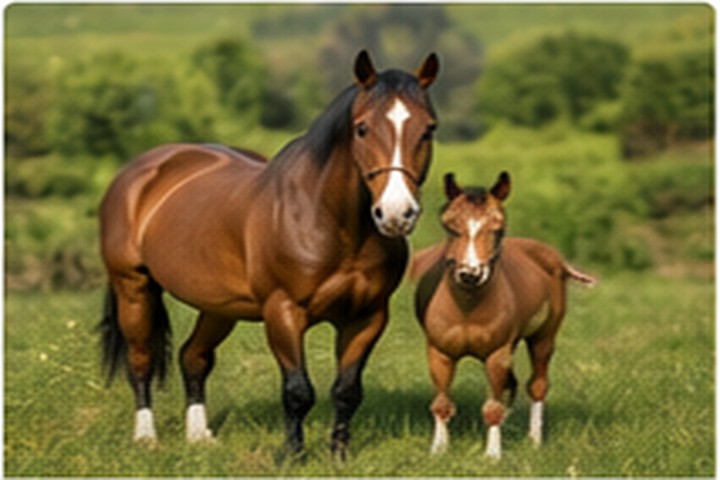
Monsoon-season water abundance does not automatically equal water quality. Debris, algae, and livestock waste can contaminate open troughs quickly. A compact, on-site system designed for stability, ease of maintenance, and affordability mitigates these risks while reducing reliance on external water sources during dry spells. Rainwater is typically softer than mains water in many regions, which can be gentler on troughs and horses’ teeth if managed correctly. The key is a simple, modular setup that can be expanded as needs grow.
Planning and design: start with the basics
Successful, budget-friendly systems hinge on clear planning. Start with a modest footprint and scalable components.
- Assess the catchment area: Rooftops and sheds with clean, dry surfaces are ideal. Avoid polluted or dusty roofs; ensure gutters slope properly for efficient flow.
- Estimate rainfall and storage needs: Consider how many horses you water per day, the size of your paddock, and typical monsoon rainfall in your region. A basic rule is to start with enough storage to cover at least a few days of drought in the dry season, with capacity upgrade options as you grow.
- Choose a storage medium: Polyethylene tanks and steel tanks are common for stables. Ground-level tanks are easier to access for cleaning; elevated tanks help with gravity-fed supply to troughs.
- Plan filtration early: An on-site filtration stage reduces sediment and organic matter before water reaches drinking troughs.
Step-by-step installation: a practical, budget-minded approach
Step 1 — Catchment and gutters
Inspect the roof surface for debris and ensure gutters are clear. Install adjustable downspouts to direct water toward a central diverter or filtration inlet. Use affordable, durable PVC gutters or aluminum with splash guards to minimize overflow during heavy rain. A clean catchment helps keep filtration costs down over time.
Step 2 — First-flush diverter and sediment trap
A first-flush diverter channels the initial, dirt-laden water away from the storage tank. This simple device significantly improves baseload water quality. Follow with a simple sediment trap or mesh screen to capture leaves and coarse debris before it enters the storage tank. Periodically check and clean the trap, especially after heavy rains.
Step 3 — Storage tank selection and placement
Choose a tank size that matches rainfall, space, and horses’ daily needs. Place tanks on a sturdy base, with secure lids to deter pests and evaporation. If space is tight, consider two smaller tanks connected in series; this also simplifies cleaning and maintenance. Ensure overflow outlets drain away from stables and manure areas to avoid contamination.
Step 4 — On-site filtration configuration
Filtration should target sediment, micro-organisms, and taste/odor issues while keeping costs reasonable. A practical setup includes:
- A basic mechanical filter (screen or cartridge) to remove sand and finer particles.
- A simple activated carbon filter or integrated carbon block for taste and odor improvement, if budget allows.
- A cleanable pre-filter before the main cartridge to extend cartridge life.
Install the filtration unit between the storage tank and the distribution line. Keep filters accessible for regular cleaning and cartridge replacement. If you’re unsure about filtration specifics, a local hardware or plumbing supplier can suggest affordable, off-the-shelf options that fit a modest budget. You can also explore practical equipment ideas via the IETA Vendor Program and Shop pages.
Step 5 — Distribution to drinking troughs
Use gravity-fed lines or a small, low-power pump to deliver water to troughs. A float-valve or auto-fill valve helps maintain consistent water levels without manual intervention. Position troughs away from manure zones and ensure clean, reachable access for horses and handlers.
Label lines clearly and keep hoses off the stable floor to minimize slip risks. Where possible, route lines through protective conduits to prevent damage by grazing animals or rutting during monsoon mud.
Maintenance: keeping water clean and horses hydrated
Maintenance is the backbone of any budget-friendly system. A disciplined schedule prevents contamination and extends equipment life.
Monthly tasks
- Inspect gutters and downspouts for clogs or damage; remove leaf litter and debris.
- Clean the first-flush diverter and sediment trap; rinse with clean water to prevent buildup.
- Check the storage tank for cracks, algae growth, and insect ingress; scrub interior if needed and safe to do so.
- Replace or clean pre-filters and cartridges as per manufacturer guidance.
- Test water color, smell, and rough taste visually; if anything seems off, trace sources from catchment to troughs.
Seasonal considerations
- Monsoon peak: increase inspections for overflow and potential runoff contamination. Ensure overflow routes are clean and directing water away from stable entryways.
- Post-monsoon: perform a deep clean of tanks and filters to remove accumulated silt and organic matter.
- Dry season: monitor for evaporation losses and consider coating or insulating tanks if temperatures spike or chill in certain regions.
Year-round hydration: practices for monsoon-prone regions
Hydration is not merely about water availability; it’s about water quality, temperature, and accessibility. In many Indian climates, horses prefer fresh, cool water. The following practices help ensure consistent intake and reduce health risks:
- Keep troughs shaded and cleaned. Algae growth is common if water sits in warm, sunny spots. Regular cleaning reduces roughage and bacterial issues.
- Consider a brief water-warming or cooling strategy if temperatures swing drastically between day and night. Horses that drink less in very cold or very warm conditions can benefit from moderate-temperature water.
- Regularly monitor water intake patterns. Sudden reductions can signal filtration issues, taste problems, or illness; investigate promptly.
- Integrate rainwater into routine feeding and hydration schedules rather than relying solely on mains water, which may be less predictable during monsoons.
Documentation and routine communication matter. Maintain a simple log of water system checks, trough cleanliness, and any changes in horse drinking behavior. A reliable water system lowers stress during weather fluctuations and supports stable performance for riders and breeders alike. For broader stable management ideas, you might explore Explore stud farms or Browse horses, which help place hydration practices in the context of day-to-day equestrian life on Indian farms.
A practical checklist: quick start for busy stables
- Map catchment and select a suitable storage capacity that can be expanded as needed.
- Install a first-flush diverter and a simple sediment trap.
- Choose a scalable filtration setup with accessible maintenance points.
- Establish gravity-fed or low-power distribution to troughs with float valves.
- Set a monthly maintenance routine and seasonal deep-clean plan.
- Keep a water quality log and adjust practices based on horse drinking behavior.
- Document costs, suppliers, and service intervals for future budgeting and upgrades.
Budget-friendly realities and potential upgrades
The beauty of this approach is its modularity. Start with a lean, robust setup and scale as needs and resources grow. A basic system can be assembled with affordable components, and you can upgrade filters, increase tank capacity, or add UV treatment later if you decide to expand operations or raise more horses. For ideas on equipment and options that fit a budget, check the IETA Vendor Program and Shop pages, then compare with your local suppliers for availability and pricing.
Conclusion: reliable hydration through the monsoon and beyond
Designing a budget-friendly rainwater harvesting and on-site filtration system for Indian stables is not just about water—it’s about peacetime reliability for horses’ daily needs. With thoughtful planning, modular installation, and disciplined maintenance, you can protect your horses from water quality pitfalls, reduce costs over time, and promote steady performance throughout the monsoon season and the year that follows. For those seeking practical ideas and marketplace options, the broader equine community on IETA offers resources, community feedback, and vendor options to support your journey toward resilient hydration.
Explore India’s Equine Marketplace
Discover horses, stallions, stud farms and trusted equine services on IETA.