IETA MARKET
Region-Specific Forage Mapping for Indian Horses
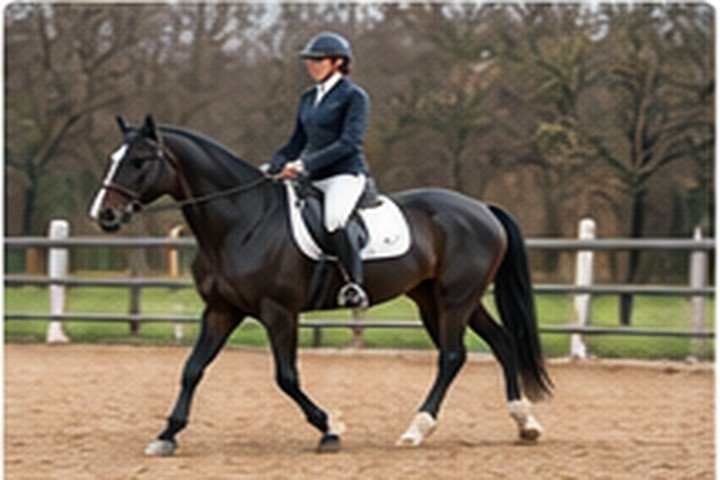
In India’s diverse climates, from the arid western plains to the irrigated river basins, the feed on the ground is often the most reliable feed. For Marwari and Kathiawari horses, region-specific forage mapping can transform local grasses, crop residues, and by-products into a balanced daily ration that keeps condition and performance steady through the year. This article offers a practical, field-ready method that owners, riders and stud managers can adopt without relying on imported feeds. The goal is to use what nature and farming practices already provide, while safeguarding the horse’s nutritional needs and long-term health.
Why region-specific forage mapping matters for Marwari and Kathiawari

These breeds have adapted to Indian conditions where forage availability shifts with the seasons. A one-size-fits-all ration often undercuts condition in winter or inflates energy intake during the hot season, leading to heat stress or colic risk. By mapping local forages—grasses, crop residues such as straw and stover, and by-products like bran or husks—you can design a daily ration that aligns with seasonal availability and the horse’s workload. The approach is practical, scalable for smallholders and adaptable to stable management styles across villages and towns.
A practical method: 6-step forage mapping process
- Inventory what grows and is available by season: Walk your grazing area and note major grasses, weeds that horses nibble, and any crop residues that come from nearby fields. Include by-products from local mills or processing facilities (for example, bran, hulls or husks). Write it down in a simple map or notebook. This inventory is your baseline for planning rations across the year.
- Classify forages by season and by nutritional risk: Group items into roughage sources (high-fiber grasses, hay, straw) and supplementary sources (concentrates from by-products). Mark moisture content and potential mold risk for rainy periods. This helps you anticipate when to prioritize dry, clean roughage and when to introduce safer, processed by-products.
- Estimate roughage contribution and energy gaps: Roughage should form the backbone of the daily intake. A practical target is to aim for a majority share of the daily feed from forage, with modules of concentrates added to fill energy or protein gaps. Use body weight and workload as a guide; heavier work or poorer body condition may require more energy-dense components.
- Build a baseline ration framework: Create a simple daily plan that pairs a roughage mix with one or two supplementary components. For example, a base roughage mix (local grasses and crop residues) paired with an energy-providing by-product and a mineral supplement. Think in percentages: roughage 60–70% of the daily intake, concentrates 30–40% depending on needs and seasonal availability.
- Season-specific adjustments: Summer typically requires more water, electrolytes as appropriate, and careful energy balance due to heat and reduced intake. Monsoon years call for preventing mold and ensuring dryness of stored forage. Winter may permit higher roughage intake but still requires energy support for conditioning. Document changes month-by-month so you can smooth transitions year over year.
- Monitor, adjust and record: Keep a simple log of body condition scores, weight, and any signs of digestive upset or changes in performance. Use this to fine-tune your forage map for the next season. Don’t hesitate to consult a local equine nutritionist or vet if you notice persistent weight loss, poor coat, or lameness linked to feeding.
Seasonal considerations for Marwari and Kathiawari horses
Summer (hot season)
Hydration and steady intake are critical. Prioritize forages that are readily available and clean, and limit high-starch concentrates if the horse shows signs of heat stress. Forage diversity matters here: a mix of drought-tolerant grasses with low-mold risk helps maintain gut function when turnout is limited by heat. Always provide fresh water and access to shade or well-ventilated stall space.
Monsoon
The monsoon brings lush growth but also higher mold and aflatoxin risks if forage is not dried properly. Emphasize well-dried roughage, clean grain by-products, and a cautious approach to moisture-heavy feeds. Monitor pasture access to avoid grazing on overly wet or spoiled material, which can trigger digestive disturbances.
Winter
Cool-season grasses and stored residues can maintain energy without excessive volume. If workload remains high, consider adding energy-dense by-products in moderation, while continuing to prioritize clean roughage. Salt and mineral balance remain important, as do consistent access to water that isn’t frozen or overly cold.
Practical tips and a quick-start template
- Keep a simple forage map: sketch your land, list available grasses and residues by season, and note moisture and mold risk for each item.
- Use roughage as the backbone; fill energy and protein gaps with carefully chosen by-products that are locally available and affordable.
- Balance minerals with a locally appropriate salt or mineral mix; monitor bone and hoof health as indicators of mineral balance.
- Split feeding into 2–3 meals daily to improve digestion and intake stability, especially in hot weather.
- Record observations about body condition, coat shine, and performance to guide future adjustments.
For additional resources on regional possibilities and suppliers, you can explore options at Browse horses and Explore stud farms. You can also learn more about the broader IETA ecosystem by visiting Visit IETA.
A simple starting plan for a typical season
While every farm is different, a practical starter plan looks like this: establish a baseline roughage mix from available local grasses and residues; pair with one or two local by-products to fill energy or protein gaps; adjust the ratio by monitoring body condition every two weeks. For tangible options, consult with a local feed supplier or veterinarian, and consider engaging with local stud and breeding networks listed at Explore stud farms.
Getting started: a quick checklist
- Map your local forage: grasses, residues, and by-products listed by season.
- Assess moisture and shelf-life risk, especially during monsoon.
- Define a baseline daily ration target (roughage vs concentrates) based on body weight and workload.
- Choose safe, clean by-products to fill energy gaps; avoid spoiled material.
- This year’s plan: write down the monthly adjustments and keep a simple log.
- Regularly review with a local equine nutritionist if possible; use local resources and networks for guidance.
If you source feed and forage from multiple local vendors, consider exploring the Vendor program to connect with reliable suppliers. For broader community insights and regional options, check the two links above for context and access to breeding and sales networks.
Practical template you can adapt today
Use this as a starting point and adjust based on what you find in your field inventory:
- Roughage: 60–70% of daily intake from local grasses and crop residues (mixed).
- Concentrates: 30–40% from available by-products (bran, hulls, husks) or other protein-rich feed if accessible.
- Minerals: a light mineral mix or salt block, adjusted to season and workload.
- Water: constant access; ensure availability during heat and monsoon.
Conclusion
Region-specific forage mapping offers Indian horse owners a practical, field-tested way to convert local resources into balanced daily rations for Marwari and Kathiawari mounts. This approach respects seasonal realities, keeps feeding costs sensible, and supports stable condition and performance. Start with a simple forage map, document what you can access in each season, and adapt as you learn from your horse’s response. And as you grow more confident, you’ll find your region’s unique feed mosaic becomes a consistent foundation for care and performance.
Further reading and community resources
To connect with regional options and broader equine resources, explore the listed pages and community networks on IETA’s site. For broader horse listings, breeding options, and nutrition discussions, the links above can be a helpful starting point.
Explore India’s Equine Marketplace
Discover horses, stallions, stud farms and trusted equine services on IETA.