IETA MARKET
Seasonal dental health plan for Indian horses
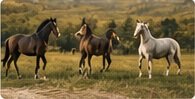
Seasonal shifts in India’s plains, hills, and paddy belts influence how horses chew, what they graze, and how their teeth wear. For owners, riders, and rural stables that rely on regular forage and seasonal grazing, keeping a close eye on dental health is a practical way to safeguard appetite, digestion, and overall well-being. The following six-month plan focuses on simple, owner-friendly checks you can perform without specialized equipment, while knowing when to call in a farrier or veterinarian if red flags appear. Think of it as a gentle, diary-based approach that fits a busy stable routine and helps you act early rather than react to distress later. For context on listings, you can explore horses for sale at Browse horses or discover more about breeding and studs at Explore stud farms and View stallions. Visit IETA for resources here.
Why seasonality matters for dental wear

Horses’ teeth are designed to wear with use, and seasonal factors such as forage quality, moisture content, and feeding patterns can alter how quickly certain surfaces wear or where sharp points form. In many rural Indian stables, forage shifts with the monsoon, post-monsoon grazing, and winter hay. Increased roughage, changed bite angles from weight shifts, and variations in grazing time can all influence dental wear and chewing comfort. A structured, six-month monitoring plan helps you detect subtle changes early, before they affect appetite or weight, and it keeps you aligned with a veterinarian or farrier when professional care is needed.
A practical 6-month monitoring plan
This plan is designed to be owner-friendly, requiring just a few minutes of daily observation and a short monthly routine. Record observations in a small notebook or a stable diary. Include the horse’s name, age, temperament, current feed, and any notable changes in chewing or appetite. Use the monthly checkpoints below as prompts, and remember that consistency is more important than perfection.
Month 1 — Baseline check and records
- Observe chewing on both sides when the horse tastes hay or chaff. Note any obvious asymmetry or difficulty breaking down feed.
- Look inside the mouth from the side when possible after feeding time. Note any obvious wear on cheek teeth or points along the enamel ridge.
- Check for excessive drooling, foul breath, or quidding (dropping morsels while chewing).
- Record appetite and daily feed intake relative to body condition score. If you have a stable companion with a standard diet, this baseline helps spot future deviations.
- Photograph the mouth from the side and a top view when safe and feasible. A month-to-month photo diary is a useful reference for future changes.
Month 2 — Watch for changes in chewing pattern
- Revisit baseline observations. Are there new signs of discomfort or a preference for one side? Is the horse quicker to quit chewing or show reluctance at feeding times?
- Note any subtle resistance to the bit or head carriage changes that might accompany mouth pain.
- Inspect feed: is there more wasted feed or more time spent chewing per mouthful? This can hint at roughness in the mouth that makes chewing inefficient.
Month 3 — Assess forage changes and wear progression
- Review forage quality and texture with your feed supplier or local farmer. Forage that becomes tougher or coarser can accelerate wear on the incisors and molars.
- Look for early signs of sharp enamel points or hooks that can irritate the tongue or cheeks. These often show up as subtle rub marks on the inner lips or scraping along the cheek.
- Document any weight changes or changes in body condition score that accompany chewing difficulties.
Month 4 — Focus on sharp enamel points and irregular wear
- If you notice consistent chewing difficulties, a brief mouth inspection after feeding can help you decide whether to contact a professional. Do not attempt to alter teeth yourself; only a qualified farrier or veterinarian should perform dental work.
- Watch for signs of irritation in the mouth—refusal to take feed, pawing the ground around the muzzle, or head-tossing during feeding or riding sessions—which can signal discomfort from dental surfaces.
Month 5 — Prepare for forage shifts and monsoon impact
- With seasonal forage shifts, aim to maintain a consistent intake and monitor any changes in preference or digestion that could relate to mouth pain or difficulty chewing.
- Keep a simple dairy noting when you notice new wear patterns, sudden changes in chew time, or frequent spitting of feed.
Month 6 — Schedule a professional check and archive the data
- This is a good time to arrange a dental check with a veterinarian or an experienced equine dentist/farrier, especially if you’ve noted persistent changes over the prior months. A professional examination often includes an oral exam and, if needed, light rasping or dental corrective work performed by a trained specialist.
- Consolidate your notes, photos, and any observations into a simple six-month diary. Decide whether to continue the monthly checks or move to a semi-annual cadence based on the horse’s age, wear pattern, and stability of chewing.
Red flags that warrant veterinary or farrier attention
In rural stables, access to care can be irregular. Use the following red flags as a practical trigger to seek professional assessment, even if the horse otherwise seems fine. If several red flags appear together, treat it as a priority.
- Persistent weight loss or failure to maintain energy levels despite adequate forage and hydration.
- Reluctance to chew or markedly reduced appetite lasting more than a day or two.
- Frequent quidding, drooling, facial swelling around the jaw, or foul mouth odor that does not improve with basic oral hygiene.
- Head carriage changes or guarding of the mouth during feeding, including reluctance to take feed from a hand or bucket.
- Visible sharp points, irregular wear, or signs of mouth ulcers that persist beyond a few days after a feeding change.
- One-sided chewing or repeated biting on the bit, indicating potential dental or jaw issues.
In many rural settings, early consultation with the nearest qualified farrier or veterinarian is advised when red flags arise. If travel is difficult, arrange a plan with a local stable buddy or community veterinary network to schedule a visit when possible.
Practical tips for owners in rural stables
Seasonal health checks are most effective when they are consistent, simple, and practical for day-to-day life in the field. Here are a few pointers to keep this plan workable in rural Indian stables:
- Keep a small, weatherproof notebook or a digital log on a phone to capture date-stamped notes, including easy-to-spot changes in appetite, chew time, or feed efficiency.
- Make a habit of a quick mouth check after major forage changes or after monsoon rains when feed quality can vary quickly.
- Coordinate with your stable’s regular farrier for a routine dental check as part of the seasonal maintenance schedule. A professional can identify and address sharp points or misalignments safely.
- Maintain a working relationship with your feed supplier to understand how seasonal forage variations may influence wear and digestion. This helps you interpret chewing changes in context.
- Use the internal resources of the broader equine community. For listings, you can browse horses or connect with breeders and studs as part of your stable network at Browse horses and Explore stud farms.
Conclusion: a practical, owner-friendly approach to seasonal dental health
Seasonal dental health is a blend of observation, timely professional input, and stable management. By implementing a structured six-month monitoring plan, Indian horse owners can detect early wear patterns, identify sharp points, and spot chewing difficulties before they affect nutrition or performance. The goal isn’t to replace veterinary care but to empower owners with the information they need to seek help promptly, especially in rural stables where access can be limited. A simple diary, routine checks after feeding, and a clear red-flag protocol can go a long way toward keeping your horse comfortable, eating well, and ready for ride or work through the seasonal changes.
Further resources and community connections
Staying connected with the wider equine community can provide practical support when dental issues arise. For more context on horse listings and farm networks, consider exploring Browse horses, Explore stud farms, or View stallions on our portal. For general resources about the Indian equine sector, Visit IETA.
Frequently asked questions
Q1: What should I do first if I notice a potential dental problem?
A1: Document what you observe, including dates, feeding changes, and photos if possible. Consult a qualified farrier or veterinarian for an oral examination. Do not attempt to rasp or alter teeth yourself.
Q2: How often should a horse’s teeth be examined in India?
A2: A professional dental check is recommended when signs of wear, discomfort, or chewing difficulties appear. Routine checks may be advised by your farrier or veterinarian based on age, condition, and seasonal forage changes.
Q3: Can I stop my horse from chewing if there is a mild issue?
A3: If chewing discomfort is suspected, avoid forcing the horse to feed quickly. Provide access to clean water and easier-to-chew forage as advised by a professional. Do not attempt to repair teeth yourself.
Q4: How can I keep track if I have limited veterinary access?
A4: Maintain a simple diary, share observations with local stable networks, and schedule periodic checks with the nearest qualified professional when possible. In many rural areas, a local farrier with dental training can provide interim guidance, while a formal exam is arranged.
Explore India’s Equine Marketplace
Discover horses, stallions, stud farms and trusted equine services on IETA.
