IETA MARKET
Seasonal Lameness Prevention for Marwari & Kathiawari Horses: A 6-Week Field Plan
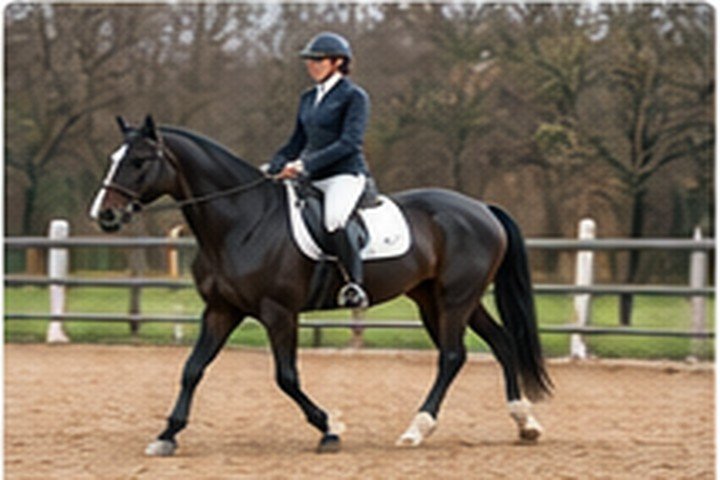
Seasonal lameness is a real challenge for Indian riding horses, especially for Marwari and Kathiawari, where work-loads and climate shift with the seasons. A six-week, field-friendly program can help riders, breeders and trainers build fitness, protect hoof health, and catch subtle gait changes before training ramps up. The plan below is designed to be practical on real farms and stables, using common field conditions and minimal equipment while delivering meaningful gains in soundness and confidence.
Why this plan fits Marwari and Kathiawari

The Marwari and Kathiawari breeds are well known for their stamina and resilience, but like any breed, they benefit from a structured, seasonal approach to conditioning and soundness checks. In India’s varied climate — from humid monsoon to dry, heat-stressed periods — small, early signs of discomfort can be observed in modest gait changes, reluctance to push off or a subtle shortening of stride. A six-week program that combines measured conditioning, attentive hoof care, and regular gait screening helps riders address these signals before they become training disruptions. For a broader sense of our equine community and market resources, you can browse horses or explore stud farms to understand the landscape you’re training within.
The 6-week program at a glance
The plan below is arranged week by week, with practical tasks you can perform in a typical field setup. Each week builds on the last, emphasizing conservative progression, regular hoof checks, and simple gait observation. Always tailor intensity to the individual horse, and maintain a written log to track any subtle changes.—If you need access to broader farm resources, consider visiting the IETA hub Visit IETA.
Week 1 — Foundation conditioning and movement awareness
- Set a baseline: weight, condition score, and a simple 10-minute walking and light trotting routine on soft footing.
- Focus on cadence and rhythm: observe head carriage, regularity of steps, and evenness left-to-right. Note any hesitation or shortened steps.
- Footing and surface selection: prefer dry, level ground or dry earth to reduce concussion while body adapts.
- Hoof check: lightly palpate coronet band and feet after exercise to detect heat, sensitivity, or obvious cracks.
Week 2 — Hoof care and quiet strengthening
- Hoof care: ensure routine trimming checks, remove any loose shoes if applicable, and monitor for cracks or thrush. Maintain dryness and avoid over-moisturizing in rainy patches.
- Strengthening work: introduce short, controlled lunges on a circle with a loose rein to encourage even limb use without heavy load.
- Footing adjustments: consider a small, straight-line trot on a longer, even surface to promote uniform hoof strike without excessive concussion.
Week 3 — Early gait screening introduction
- Gait observation: watch at walk and trot on straight and slightly curved paths. Look for subtle head bob, any change in shoulder drop, or irregular stride length.
- Recordkeeping: begin a simple gait log (date, weather, surface, observations, and any changes from baseline).
- Positive loading: maintain conditioning with short, controlled trotting sets and check for any new signs of discomfort after work.
Week 4 — Progressive loading with monitoring
- Increase duration slightly, but keep gait quality in view. If any signs appear, reduce intensity and reassess later in the plan.
- Surface variety: alternate between dry grass, light arena sand, and soft earth to test hoof and limb response without overstress.
- Hoof care refresh: recheck any sensitive areas and address moisture balance in the stall and paddock to prevent cracks and thrush.
Week 5 — Maintenance and cross-checks
- Reassess baseline metrics: compare with Week 1 observations and gait logs. Note improvements or new concerns.
- Conditioning balance: sustain two to three short sessions of trotting and long-rein walking, keeping the sessions under 25 minutes in total to avoid fatigue.
- Footing and breeding season awareness: adjust paddock materials and water availability to sustain hoof health during seasonal changes.
Week 6 — Re-evaluation and training readiness
- Formal gait re-check: conduct a more comprehensive walk-trot assessment on a straight line and gentle curve; look for consistency with Week 1 baselines.
- Documentation: finalize the six-week log, noting gains in conditioning and any subsiding or persistent signs of discomfort.
- Next steps: if gait remains even and hoof health stable, you can begin a cautious training ramp with continued monitoring. If any red flags appeared, consult your veterinarian before advancing.
Hoof care and conditioning: practical, field-friendly details
Hoof health underpins soundness. A practical field plan focuses on regular inspection, proper moisture balance, and timely hoof care. In humid or monsoon-prone regions, hooves are prone to moisture fluctuations that can affect quality of hoof wall and frog health. A simple routine—visual checks after every ride, gentle hoof palpation, and a conservative trimming/maintenance schedule—can help detect cracks or signs of subclinical discomfort early. Always coordinate with your farrier to align trimming intervals with the horse’s workload and the season.
Early gait screening: what to look for and how to record it
Early gait screening is about noticing subtle cues rather than waiting for a dramatic limp. A field-friendly approach includes:
- Observing straight-line movement at the walk and a controlled trot on a soft surface.
- Noting stride length symmetry: are steps equal on left and right? Any head bob that isn’t typical for the horse?
- Checking for reluctance to push off the hind limb or inconsistent shoulder movement.
- Recording notes in a simple log with date, weather, surface, and any observed changes. A photo or short video taken at a consistent distance can be a helpful reference for your veterinarian or trainer.
Field implementation: equipment, timing, and record-keeping
Your field kit can be minimal yet effective. Essentials include a comfortable halter and lead, a long line for gentle control, a brush for hoof and coat checks, a note pad or mobile log, and a watch or timer. Keep sessions consistent: same time of day, similar weather, and a predictable routine to reduce variability in observations. Maintain a simple, color-coded log (green for no concerns, amber for mild notes, red for any red flags) to communicate clearly with your vet or trainer when needed.
As you build your plan, it helps to connect with the broader equine community. For market-oriented resources and to explore a wider range of horses, you can browse horses or explore stud farms to understand the landscape and breed-specific needs.
When to seek veterinary input
This plan is preventive and observational in nature. If you notice persistent lameness signs, swelling, heat, obvious discomfort, or any sudden change in gait that does not resolve within a few days of reduced work, consult a veterinarian promptly. Do not push through pain during conditioning or training ramps. Early veterinary input can help guide rehabilitation, diet, and hoof-care decisions that keep your Marwari or Kathiawari sound in the long run.
6-week practical checklist
- Week 1: Establish baseline measures for gait, conditioning, and hoof health; start a simple log.
- Week 2: Implement hoof-care routine; introduce light strengthening work on soft footing.
- Week 3: Start gait screening logs with walk and trot observations; note any subtle changes.
- Week 4: Increase controlled loading; vary footing to test limb responses while maintaining careful observation.
- Week 5: Reassess condition and gait, adjust workload if needed; ensure hoof health remains stable.
- Week 6: Conduct final gait re-check and finalize the six-week log; plan the next training phase with ongoing monitoring.
Conclusion
Seasonal lameness prevention for Marwari and Kathiawari horses is not about a single magic fix; it’s a practical, field-friendly routine that blends conditioning, hoof care, and proactive gait screening. By consistently applying the six-week plan, you build a stronger soundness foundation going into training season, helping horses stay confident, comfortable, and ready to perform. For additional field-ready resources on Indian horses and their care, you can explore more on our marketplace and vendor resources in the IETA network.
FAQ
What is the main goal of this six-week plan?
The aim is to build conditioning gradually while monitoring hoof health and catching subtle gait changes early, before they affect training or work performance.
What equipment do I need for field gait screening?
Essential items include a halter and lead, a longe line or long rein, a soft brush for hoof and coat checks, a notebook or mobile log for records, and a watch or timer. Video or photo records help compare progression over time.
Can this plan be used if my horse already has mild lameness?
Use caution. If there is an existing lameness or discomfort, consult a veterinarian before starting or intensifying any program. The plan is preventive and observational; treatment and rehab should be guided by a professional.
How should I adapt the plan to different monsoon climates?
Adjust intensity and footing. In very humid or rainy conditions, allow more time for rest between sessions and emphasize hoof-driendly footing to minimize concussion. Hydration, shade, and paste-nutrition balance remain important for joint and muscle health.
Explore India’s Equine Marketplace
Discover horses, stallions, stud farms and trusted equine services on IETA.
