IETA MARKET
Turnout Transition Protocol for Monsoon-Heavy Coastal India

Introduction
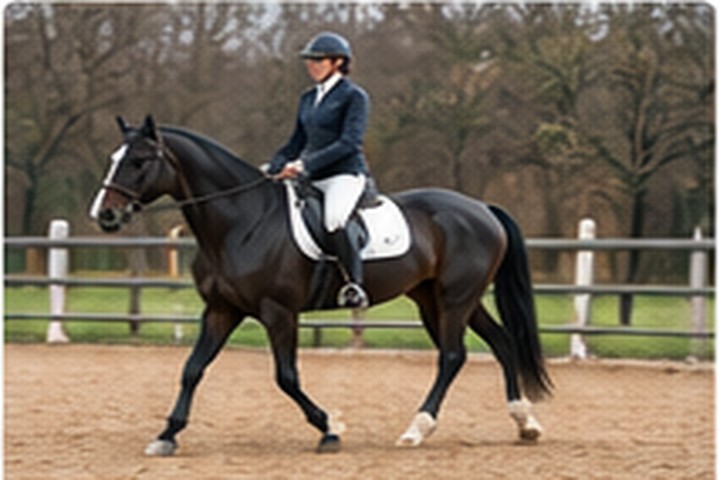
In the monsoon-heavy coastal belt of India, turning horses from stable stalls to turnout is a seasonal challenge that tests both horse welfare and stable management. Mud, high humidity, and damp bedding increase mud fever risk, while soft, water-logged paddocks can lead to hoof problems and stress for horse and handler alike. This four-week protocol aims to guide riders, owners, breeders and stud farms through a practical, field-tested transition that minimizes mud-related issues and keeps stress in check. It blends surface management, routine, fencing and shelter considerations, and gradual exposure to turnout, so that horses adapt safely without sacrificing welfare or performance. For stables looking to expand or refine their practices, this approach also aligns with broader stable-management goals and can be adapted to different coastal districts across Konkan, Karnataka, Kerala and neighboring regions. For further ideas on stable resources, you can browse horses or explore stud farms to connect with experienced buyers and suppliers.
Why coastal monsoon turnout is different
Coastal monsoons deliver persistent mud, saturated ground, and daily humidity. Hoof problems—soft walls, cracks, thrush risk—rise when surfaces stay wet, and horses may show reluctance or stress during changes in routine. The four-week plan below emphasizes manageable surface transitions, sheltered shelter zones, reliable water access, and gradual exposure to turnout. The objective is to maintain hoof integrity and skin health, reduce mud fever risk, and support a calm, confident horse during the shift from stall to paddock. In addition to surface work, attention to daily routines, feeding timing, and regular hoof care remains essential throughout the transition. If you are exploring options or connections, consider visiting the IETA network to learn more about horses, stud farms and stalls, or consult vendors for turnout-friendly equipment.
Four-week transition plan: at a glance
The plan below is designed for practical field use. It assumes a stable with at least two paddocks or alternating turnout zones, a dry, graded surface, and access to shelter. Adapt the schedule to your horse’s temperament, fitness and any medical considerations in consultation with a veterinarian or farrier.
Week 1 — Preparation and surface readiness
- Assess paddock drainage and surface conditions. Identify a primary turnout area that can be kept drier with proper grading and, if possible, a secondary, slightly higher paddock for rotation. Ensure water troughs drain away from hooves and that the fencing is secure and escape-proof.
- Create a dry transition zone next to the stall door: a short stretch of graded surface with dry material (gravel or dry soil) to help horses step from hard stall surfaces onto turnout without immediately sinking in mud.
- Develop a simple surface plan: if you have access to mats or geotextile, place a dry run from stall to a short paddock. If not, rake and level the most-trafficked path and consider a top-dressing of sand or crushed rock to improve drainage.
- Establish shelter and shade for turnout, with stable access to water and a clear feeding routine. Ensure a comfortable windbreak and sun relief for hot afternoons during monsoon breaks.
- Begin hoof and skin care routines aligned with turnout: clean the hooves daily, address any signs of thrush or skin irritation, and ensure the horse is comfortable with basic handling for ease during the transition. If needed, consult your farrier for a pre-transition hoof check.
- Plan for small, incremental exposure. The goal this week is to reduce stiffness and build the habit of leaving the stall door for the dry transition area, not to stay out for long periods yet.
Week 2 — Controlled exposure and surface conditioning
- Introduce short turnout blocks of 15–30 minutes on dry mornings. Use a consistent daily window to build routine and reduce anxiety about the paddock environment.
- Rotate between paddocks to prevent overuse of any single surface. Monitor soil moisture and avoid days following heavy rain that render surfaces slick or slick with mud.
- Maintain a dry transition path and keep the main turnout surface slightly elevated and well-drained. If mud begins to form in any area, temporarily shift the horse to the drier paddock and rework the surface in that zone.
- Continue morning and post-work hoof checks. Look for softening of the hoof wall, thrush symptoms, or signs of fatigue in the horse’s gait after short turnout. Address any issues promptly with proper cleaning and, if necessary, a veterinary consult.
- Keep the horse on a steady feeding plan. Hydration remains crucial in humid coastal climates; provide fresh water and consider adding turnout-friendly forage that supports energy without causing stomach upset during the transition.
Week 3 — Progressive turnout duration and paddock management
- Extend turnout to 45–90 minutes in dry windows and select a preferred paddock with better drainage. Begin a light, controlled walking routine in the paddock to encourage normal movement and reduce stiffness before longer turnout periods.
- Introduce a second short turnout block later in the day if the horse tolerates the first without signs of distress. Maintain two-paddock rotation to keep surfaces clean and dry as much as possible.
- Reinforce hoof care and skin checks. If mud fever signs emerge, return to Week 2 practice levels while addressing the specific problem with your farrier and veterinarian as needed.
- Review shelter placement, water access, and shade. Ensure horses have a calm exit from turnout to prevent sudden bursts of movement in a damp environment which can worsen skin irritation or hoof strain.
Week 4 — Full turnout and maintenance discipline
- Move toward a more regular turnout pattern, with two to four hours of turnout time on dry or intermittently damp days. On rainy days, keep the horse in the dry transition zone with supervised, shorter sessions or additional shelter.
- Solidify paddock rotation and surface maintenance. Maintain drainage, remove standing water quickly after rain, and keep the transition path free of mud and debris that can be tracked into the stall.
- Edge-rule for mud fever: if moisture is persistent and mud is forming, revert to Week 2 routines and adjust paddock surfaces to reduce foot-soaking time. Keep hoof care frequency consistent and watch for early signs of problems.
- Husbandry and health: maintain routine veterinary and farrier visits, ensure vaccination and parasite control schedules are on track, and keep a log of turnout times, paddock conditions, and any health notes for ongoing management.
Stall-to-turnout: surface, drainage, and bedding considerations
Across coastal India, a practical turnout hinges on a surface that sheds water, drains well, and provides a secure grip for hooves. Start with a graded path from stall to the turnout area, minimizing the amount of sharp transitions that can surprise a horse. If available, a layer of dry material such as gravel or coarse sand can help with drainage, while a top layer of compacted soil or grass can maintain grip without becoming a mud hazard in rain. Consider permanent or semi-permanent drainage channels along paddock edges to carry water away from hooves. Bedding in stalls should be managed to keep the stall floor drier during rain events; consider more frequent removal of soaked bedding and the use of absorbent materials when needed. Keep water troughs clear of mud and ensure hoses or watering systems do not create puddles near hooves. For owners seeking better surface solutions, exploring sources of paddock surfaces and drainage equipment can be useful; browse horses or visit stud farms to learn more about practical turnout layouts and field-tested materials.
Hoof health and mud fever prevention during transition
Mud fever risk rises with prolonged damp conditions. A proactive approach focuses on regular hoof care, skin inspection, and surface management. Daily hoof cleaning should be standard, with attention to the interdigital space and the heels. If thrush or softening is observed, address it promptly with appropriate farrier-approved cleaning and topical care. Dry transition zones that keep the horse from standing in water-logged areas are crucial, as is a routine that minimizes prolonged exposure to damp ground. Regular farrier checks during the transition period help maintain hoof integrity, particularly in coastal climates where mud and moisture are persistent. Nutrition and hydration also play roles: balanced forage and clean water support skin and hoof health, while avoiding sudden dietary changes helps prevent stress-related behavior that can exacerbate turnout anxiety.
Stress, routine, and calm handling during transition
The emotional element of turning out is often overlooked. Horses thrive on predictable routines, even when the environment changes. Keep feeding times, walking routines, and handling cues consistent. A predictable harness or headstall routine for turnout helps reduce friction and anxiety, while slow, calm introduction to new paddock spaces minimizes startle responses. If needed, implement brief desensitization exercises in the stall and in the transition area to build confidence. A well-structured routine reduces stress, supports digestion, and contributes to a smoother transition for both horse and handler.
Practical checklist for turning out in monsoon coastal India
- Two-paddock rotation with a dry transition zone and sheltered turnout area
- Graded surface path from stall to turnout; dry material as needed
- Regular hoof care and skin checks; address thrush or dermatitis promptly
- Drainage channels or mats to prevent standing water near hooves
- Safe, escape-proof fencing and a calm handling routine
- Access to clean water and a stable feeding schedule
- Consistent turnout window and gradual duration increase each week
- Surface monitoring after heavy rains; rotate to drier paddocks as needed
- Record-keeping: turnout times, paddock conditions, health notes
- Consult farrier or veterinarian if mud fever signs appear or hooves show unusual wear
Internal resources and connections
As you plan, you might want to compare options or connect with other horse people for guidance. You can browse horses to see different handlers and facilities, or explore stud farms for capacity and ideas on turnout designs that suit coastal climates. If you are evaluating stock or seeking a partner for turnout-related needs, visiting the IETA platform can provide useful context and contacts.
Further reading and connections: Browse horses, Explore stud farms, View stallions, Visit IETA
FAQ
Q1: Is this four-week plan suitable for all horses
A four-week framework provides a practical baseline. Individual horses may need longer acclimation, especially those with prior turnout anxiety, sensitive hooves, or chronic hoof issues. Monitor each horse closely and adjust the pace of progression accordingly, consulting a farrier or veterinarian if concerns arise.
Q2: What if my paddock surfaces stay muddy despite drainage?
Prioritize surface grading and alternative dry routes. Consider temporary pivoting to a drier paddock or extending the dry transition zone. If mud fever signs appear, reduce turnout duration and revisit Weeks 1–2 practices, ensuring daily hoof checks and surface maintenance are robust.
Q3: Do I need to alter feed during the transition?
Keep a consistent feeding schedule and avoid abrupt changes. Ensure adequate hydration, especially in humidity. If you introduce longer turnout blocks, closely monitor energy intake and adjust forage levels to maintain a calm, balanced temperament.
Q4: How do I know when a horse is ready for full turnout?
readiness is evidenced by a calm approach to the turnout space, no reluctance at the stall door, steady walking in and out of the paddock, and no persistent lameness or heat in the hooves after short exposures. If all signs are favorable for several days, you may progressively extend turnout durations while continuing to monitor hoof health and behavior.
Conclusion
Coastal India’s monsoon environment demands thoughtful turnout planning. This four-week protocol emphasizes practical surface management, disciplined routines, and gradual exposure to turnout, aiming to minimize mud fever, hoof problems, and stress. Adapt the plan to your stable’s layout, your horse’s temperament, and local weather patterns. With careful preparation, a well-drained turnout zone, and attentive hoof and skin care, your horse can enjoy safer, calmer turnout transitions through the monsoon season. For ongoing insights and ideas, keep exploring the IETA ecosystem to connect with peers and resources that fit your operation.
Explore India’s Equine Marketplace
Discover horses, stallions, stud farms and trusted equine services on IETA.