IETA MARKET
Urban Desensitization for Indian Riding Horses: A 6-Week Field Plan

Introduction: Why urban desensitization matters for Indian riding horses
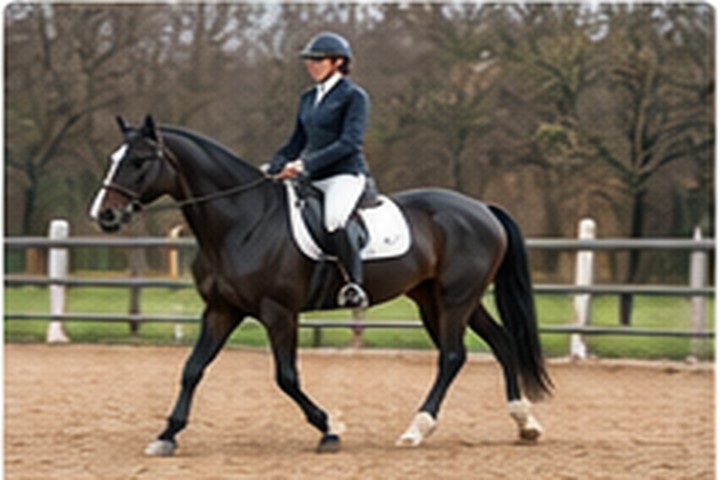
India’s growing towns and cities bring new challenges for riding horses. Noise from horns, scooters, bicycles, street vendors, pedestrians, and even construction can startle horses that are accustomed to quiet farmyards or lower-traffic environs. Urban desensitization is not about forcing a horse into stress, but about building predictable responses through structured exposure, consistent handling, and rider confidence. When done thoughtfully, a horse learns to filter background noise, respond to cues, and stay calm as traffic density shifts around them. This is especially relevant for owners, riders and stud farms in India who need practical, field-tested methods that fit local conditions. The plan below outlines a practical six-week progression, safety protocols, and rider tips you can adapt to your stable routine. For broader market context and stall-to-street readiness, you can explore options here: Browse horses and Explore stud farms, or learn more about riders and facilities at Visit IETA.
The six-week exposure sequence: a practical field plan
Each week builds on the previous one, increasing exposure gradually while preserving the horse’s calm, cooperative behavior. Sessions are short, frequent and purposely aligned with typical Indian urban environments. Always begin with a warm-up routine that mirrors your horse’s daily schedule, and end with a cool-down walk to reinforce a settled state of mind.
Week 1 — Baseline conditioning in a quiet setting
Goal: Establish a calm baseline and confirm reliable ground handling before introducing urban stimuli. Use 5–10 minute sessions, 5–6 days this week, in a quiet arena or stable yard away from traffic. Key steps:
- Review ground manners, halt, and back-up cues; ensure a safe lead rope length and a clean, steady halt on cues.
- Introduce low-noise ambient stimuli (soft radio, distant dog bark) at a very low volume while you maintain a relaxed posture in the saddle or on the ground with a rider on a lead rope.
- Keep sessions predictable: same route, same cues, same pace. End with a short walk and a brief hand-graze to reinforce positive association.
Rider tip: keep your seat relaxed, heels down, and breathe evenly. A calm rider communicates safety to the horse. If the horse shows any resistance, pause and return to the previous, familiar step before progressing.
Week 2 — Peripheral urban stimuli at distance
Goal: Introduce distant urban cues such as distant horns, bicycles passing at some distance, or a scooter in the background. Session length can remain 10–12 minutes. Location choices: a quiet road shoulder, a park boundary, or a low-traffic lane near your stable. Steps:
- Keep the horse in a comfortable walking pace; avoid over-asking the animal to speed up or stop abruptly.
- Place a human handler on foot on the near side and a second person at a safe distance to simulate traffic flow without crowding the horse.
- Gradually increase exposure by allowing a bicycle or distant horn to occur 20–30 meters away, then return to calm under cues.
Safety: ensure you have a short, secure lead with the rider ready to reduce speed if the horse becomes unsettled. Maintain a contingency plan for turning back to a familiar space if needed.
Week 3 — Light urban flow and pedestrian proximity
Goal: Add pedestrians and mild street ambience at the edge of a park or market street during low-traffic hours. Plan 12–15 minute sessions, 4–5 days this week. Focus areas:
- Approach walks near the curb where pedestrians pass by at a comfortable distance; keep the horse to a calm, even pace.
- Practice stopping on cue as crowds pass; reward soft responses with light, calm praise and step-back rein if needed.
- Use gentle changes in pace and direction to teach the horse that crowds moving at close quarters are routine, not a threat.
Rider tip: maintain a stable, soft grip and a balanced seat. Crowds require a calm, confident rider who communicates consistent signals to the horse.
Week 4 — Controlled proximity to traffic elements
Goal: Extend exposure to nearer traffic elements such as passing cars and louder horns, but in controlled, safe stretches. Duration: 12–16 minutes per session; 3–4 days this week. Guidelines:
- Choose routes with verifiable safety points: open sidewalks, shoulder lanes, and easy escape routes to a familiar space.
- Introduce passing traffic at closer distances (15–25 meters) while the horse remains in a walk; avoid sudden changes in pace or direction.
- If the horse becomes unsettled, pause, bring the horse to a halt, and breathe with the rider to reset.
Note: never push through fear. If a stimulus triggers a strong startle, shorten the session and revisit the stimulus at a later time in Week 4 or Week 3 terms.
Week 5 — Full urban ambience and mixed stimuli
Goal: Start combining several stimuli—pedestrians, bicycles, horns, and street noise—in a single, controlled loop. Session length 15–20 minutes. Focus points:
- Plan a loop that includes a short stretch near a busy sidewalk, with a rider prepared to cue for a steady pace and a confident stop if needed.
- Use positive reinforcement after each calm response; reward with a short walk in a quieter stretch or a calm halt with gentle patting.
- Maintain rider posture: deep seat, even contact, and minimal arm movement to convey steadiness.
Rider tip: practice breathing and a quiet seat, which helps the horse interpret the rider’s calm intent amid chaos. If the horse shows consistent stress, consider slowing the pace or moving the route to a less intense segment.
Week 6 — City loop with varied stimuli and rider confidence check
Goal: Complete a varied city loop with a blend of vehicles, pedestrians and ambient noise, evaluating the horse’s readiness for routine urban riding. Sessions: 18–25 minutes, 3–4 days this week, ending with a thorough debrief. Steps:
- Choose a familiar route that includes a few new cues and a planned return to comfort space after each exposure module.
- Conduct a quick rider confidence check: is the rider’s balance secure, is the horse listening and responding to cues, and are you managing the aids smoothly?
- Close with a controlled cool-down back in quiet surroundings and a longer hand-walk post-session to reinforce calm behavior.
By the end of Week 6, your horse should show steady responses to mixed stimuli, with a rider who can maintain calm communication through the ride. Remember, every horse progresses at its own pace, and the plan should be adapted to individual temperament and training history.
Safety protocols: a grounded framework for urban desensitization
- Never perform urban desensitization without a trained handler on foot. A second person should be available to assist or intervene if necessary.
- Wear appropriate safety gear: certified riding helmet, boots with a heel, gloves, and a body protector if your stable practice permits.
- Use a well-fitted headstall and a long, secure lead rope during ground handling, especially when near traffic or crowds.
- Choose routes with clear escape options and avoid high-stress zones, particularly during peak traffic times for the initial weeks.
- Keep sessions short and progressive; avoid pushing a horse beyond its current comfort threshold.
- Always have an emergency plan, including a safe place to retreat to and a trusted handler who can help guide the horse back to calmness.
- Monitor the horse for signs of fatigue, overheating, or prolonged stress. End sessions early if signs persist beyond a few minutes after stimuli.
Rider confidence tips: building a calm, capable partner
- Start with a solid seat and a soft contact. Your core and leg cues should be clear but gentle, even if the horse is responding to stimuli.
- Develop a simple cueing system that remains consistent across environments. In urban settings, a cueing rhythm—exhale, settle, cue with a light rein or leg—helps communicate calm intent.
- Maintain predictable pacing. Avoid abrupt changes in speed or direction that could surprise the horse.
- Plan for contingencies. If you expect a busy street, walk the horse through the first few meters and gradually transition to a trot only when the route is calm enough.
- Involve a trusted observer. A second rider or trainer walking beside you in early weeks can help you interpret your horse’s reactions and adjust cues accordingly.
Practical tools and on-farm considerations
To maximize success outside the arena, ensure the following are in place: a consistent pre-ride routine, a clear route plan, and a safe, familiar meeting point for post-ride debrief. Keep a small notebook to log responses to different stimuli and the rider’s comfort level after each session. If you’re considering expanding your urban practice, you can explore partner options and markets here: Browse horses or Explore stud farms for guidance on training and temperament suitability for urban exposure. You may also review broader industry resources at Visit IETA for ongoing educational materials.
FAQ
- Q1. How do I know my horse is ready to progress to Week 4 or 5?
- A: Look for consistent calm responses to stimuli at the current week’s level. If you observe repeated signs of unease (tail swishing, pinning ears, rapid breathing, or heavy sweating) that do not settle within a few minutes, remain at the current week’s exposure, or briefly revert to Week 3–4 steps. Progress should be gradual and based on the horse’s comfort, not a fixed timetable.
- Q2. What equipment is essential for safe urban desensitization?
- A: A well-fitting helmet, appropriate riding boots, gloves, and a safety-approved headstall with a secure lead rope for ground sessions. For the horse, ensure a comfortable saddle, properly fitted girth, and a breathable, well-maintained bit or bitless option, depending on your discipline and the horse’s training. Use reflective gear if you ride near dusk or dawn.
- Q3. Can younger or very sensitive horses participate in this plan?
- A: The plan is intended for horses with established basic handling and riding manners. Very young or highly sensitive horses should be guided by a qualified trainer, and exposure should be tailored to their temperament. Always prioritize welfare and gradual adaptation over speed.
- Q4. How long should I expect this process to take?
- A: The six-week framework is a practical guide. Some horses progress quickly; others may require more gradual exposure spanning additional weeks. Always tailor the pace to the horse’s responses, and consult a trainer if you encounter persistent stress or fear-based behavior.
Conclusion: a practical, India-aware path to safer urban riding
Urban desensitization is a practical, field-ready approach for Indian riding horses. It aligns with a rider’s need for confidence, safety, and predictability in busy streets, markets, and traffic. By following a structured six-week sequence, reinforcing safety protocols, and supporting rider confidence with calm, consistent cues, you create a partnership that handles city sounds and crowds with less stress—not less training. As always, adapt the plan to your horse’s temperament, maintain open dialogue with your trainer, and keep welfare at the center of every ride. For more about selecting suitable horses or trainers, consider visiting the market resources listed above.
Explore India’s Equine Marketplace
Discover horses, stallions, stud farms and trusted equine services on IETA.